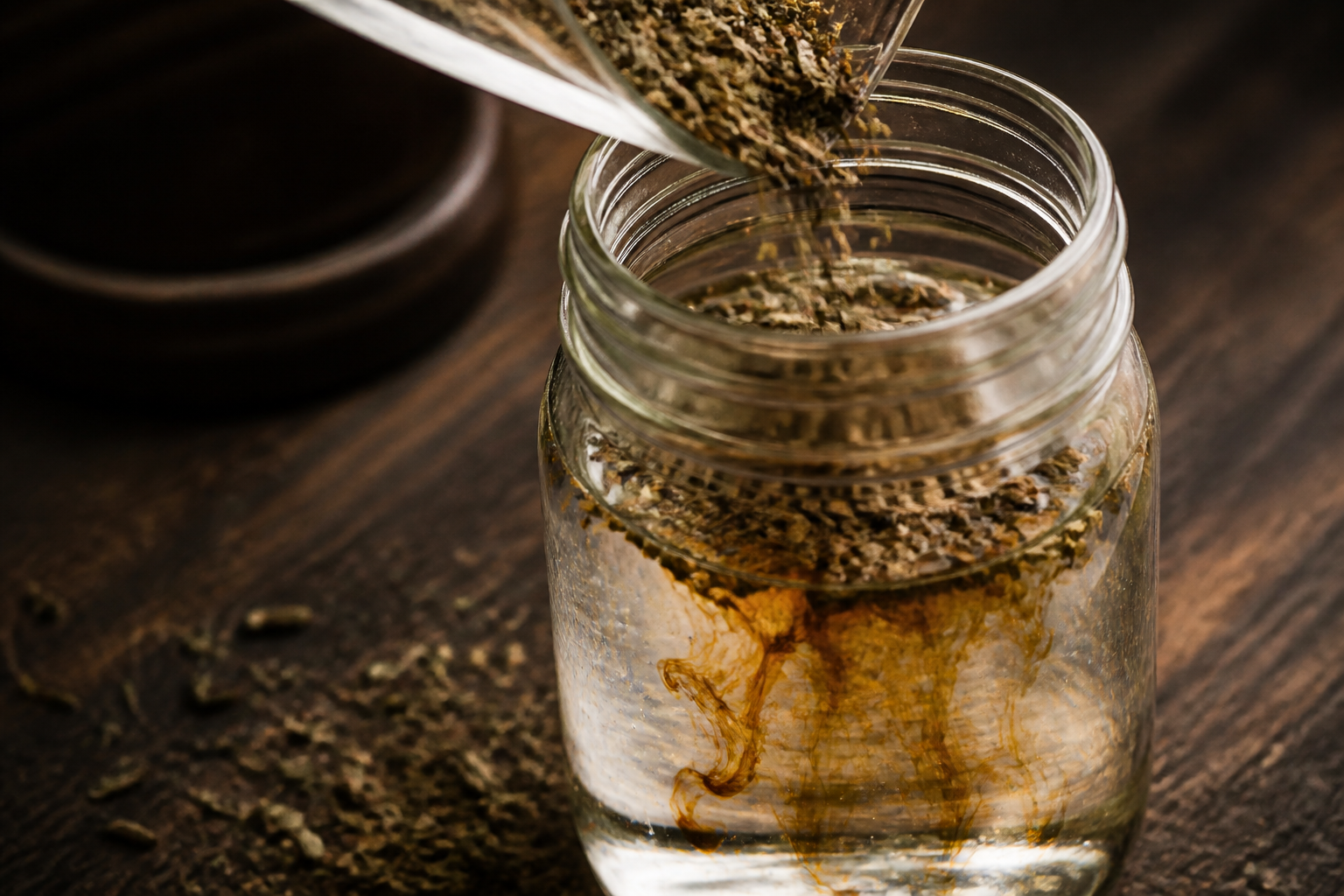
A traditional alchemical method for preparing herbal tinctures, rooted in the work of Paracelsus.
What Is a Spagyric Tincture?
A spagyric tincture is a style of herbal preparation that goes a step further than standard tincturing. Where an ordinary tincture simply steeps a plant in alcohol, spagyric preparation follows a three-stage alchemical process: separation, purification, and recombination. The goal, according to this tradition, is to extract and then reunite the plant’s three alchemical components — its Mercury (volatile essence), Sulfur (oil-soluble soul), and Salt (mineral body) — into a single, “complete” preparation.
This framework comes from Paracelsus, the 16th-century physician and alchemist who proposed that all matter, including plants, is composed of these three principles — the Tria Prima. Spagyric practitioners believe that by separating a plant into its parts and purifying each one before recombining them, the resulting preparation is more potent or more “whole” than a simple extract. For the fuller philosophical grounding, see The Three Principles: Salt, Sulfur, and Mercury in Every Plant.
This guide walks through the traditional process from start to finish. It is presented here as a historical and ceremonial alchemical practice — not as medical guidance, and not as a claim about therapeutic effect.
What You’ll Need
- Fresh or dried herb (rosemary, dandelion root, or St. John’s Wort are traditional starting points)
- High-proof grain alcohol (95%+ where legally available)
- A glass fermentation vessel with an airlock or loose lid
- A simple distillation setup (a basic alembic or stovetop distiller works)
- A heatproof dish or crucible for calcination
- Distilled water
- Coffee filters or fine muslin cloth
- A well-ventilated workspace
Step 1: Fermentation and Separation (Mercury)
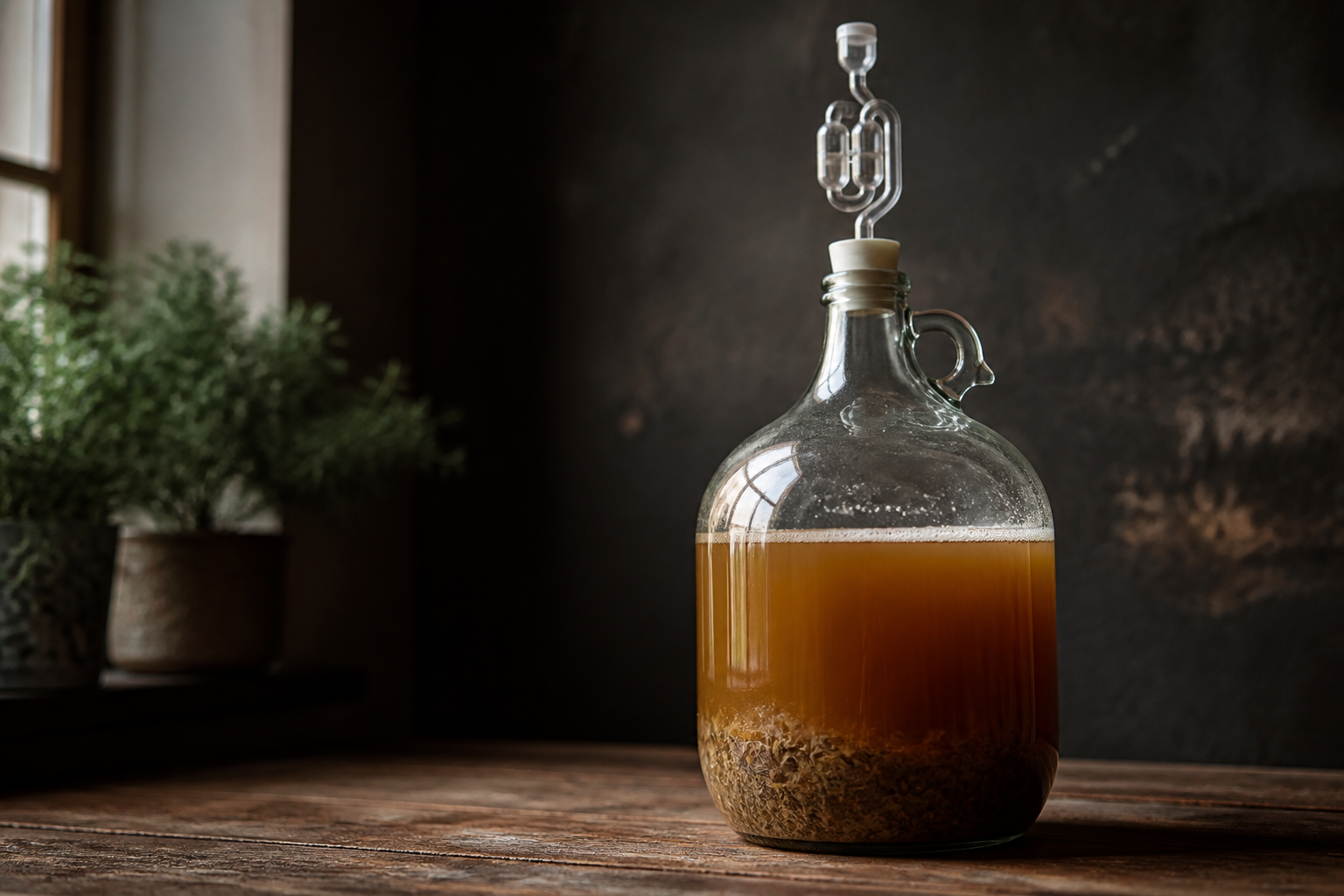
The first stage isolates the plant’s volatile, alcohol-soluble compounds — what alchemists called its Mercury.
- Chop your herb finely and pack it loosely into the fermentation vessel.
- Cover with your alcohol, leaving a few inches of headspace.
- Seal loosely (an airlock is ideal, since fermentation can produce gas) and store somewhere dark and room-temperature.
- Allow the mixture to ferment for 2–4 weeks, checking periodically. You’re looking for a change in color, a settling of plant matter, and a mellowing of the raw plant smell.
- Once fermentation has stabilized, strain the liquid through muslin or a coffee filter. Reserve both the liquid (your Mercury fraction) and the spent plant matter — you’ll need the solids for Step 2.
Step 2: Purification (Salt)
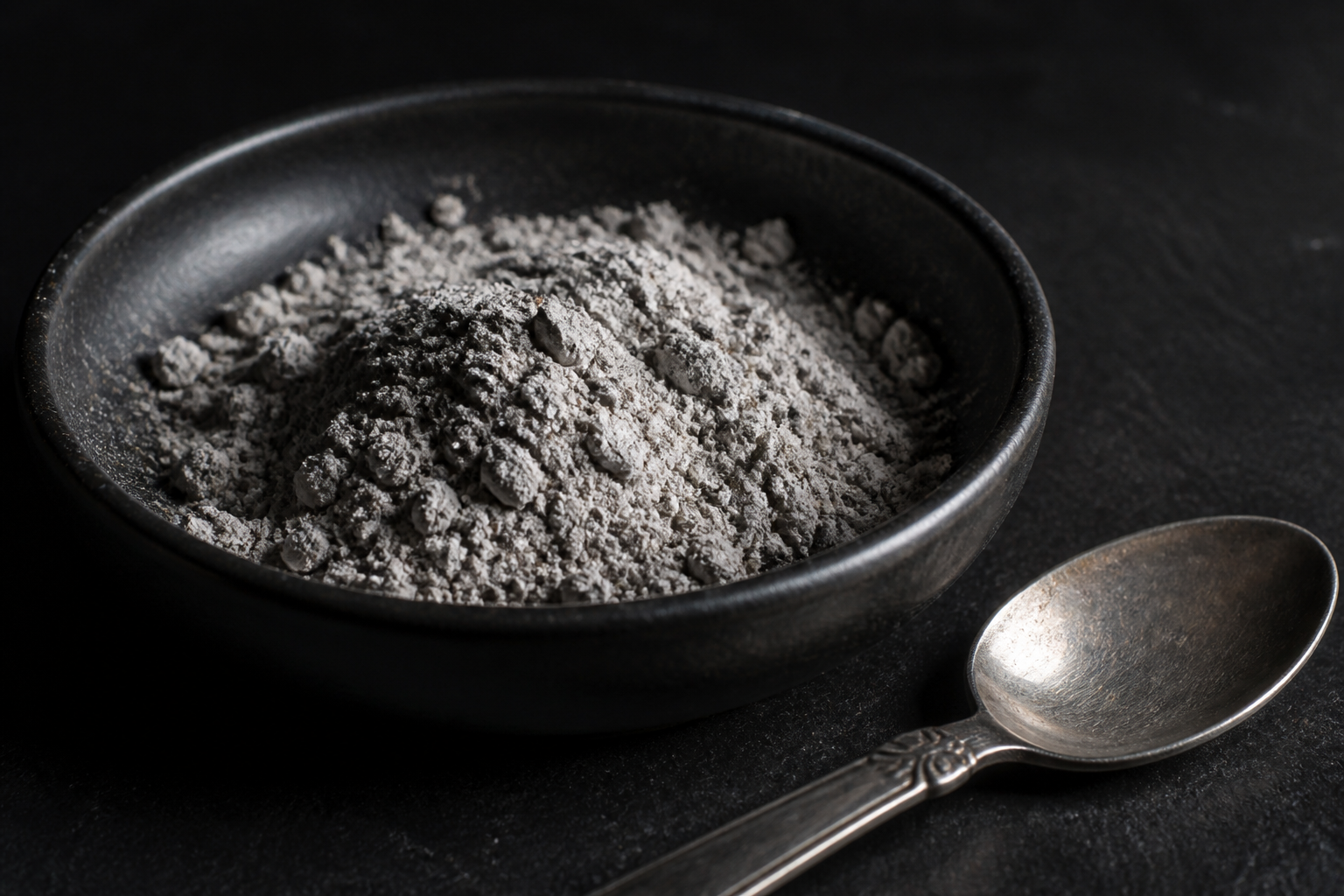
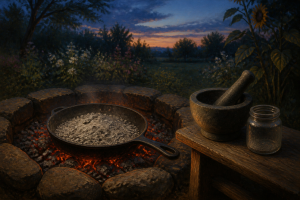
This stage extracts the plant’s mineral content, called its Salt, through calcination — burning the spent plant matter down to ash.
- Spread the strained plant solids from Step 1 onto a heatproof dish.
- In a well-ventilated area (outdoors or under a range hood), burn the material down to a fine gray-white ash. This may take several rounds of burning and crushing, as woody or fibrous plant matter doesn’t always reduce evenly on the first pass.
- Once fully ashed, dissolve the ash in a small amount of distilled water and stir well.
- Filter out any undissolved carbon or debris, keeping the filtered liquid.
- Slowly evaporate the liquid (low heat, uncovered) until only the dissolved mineral salts remain as a dry residue.
- Traditionally, this purification is repeated 2–3 times — redissolving, filtering, and evaporating — until the resulting salt is as pale and fine as possible. This repeated whitening is considered a mark of purity in spagyric work.
Step 3: Recombination
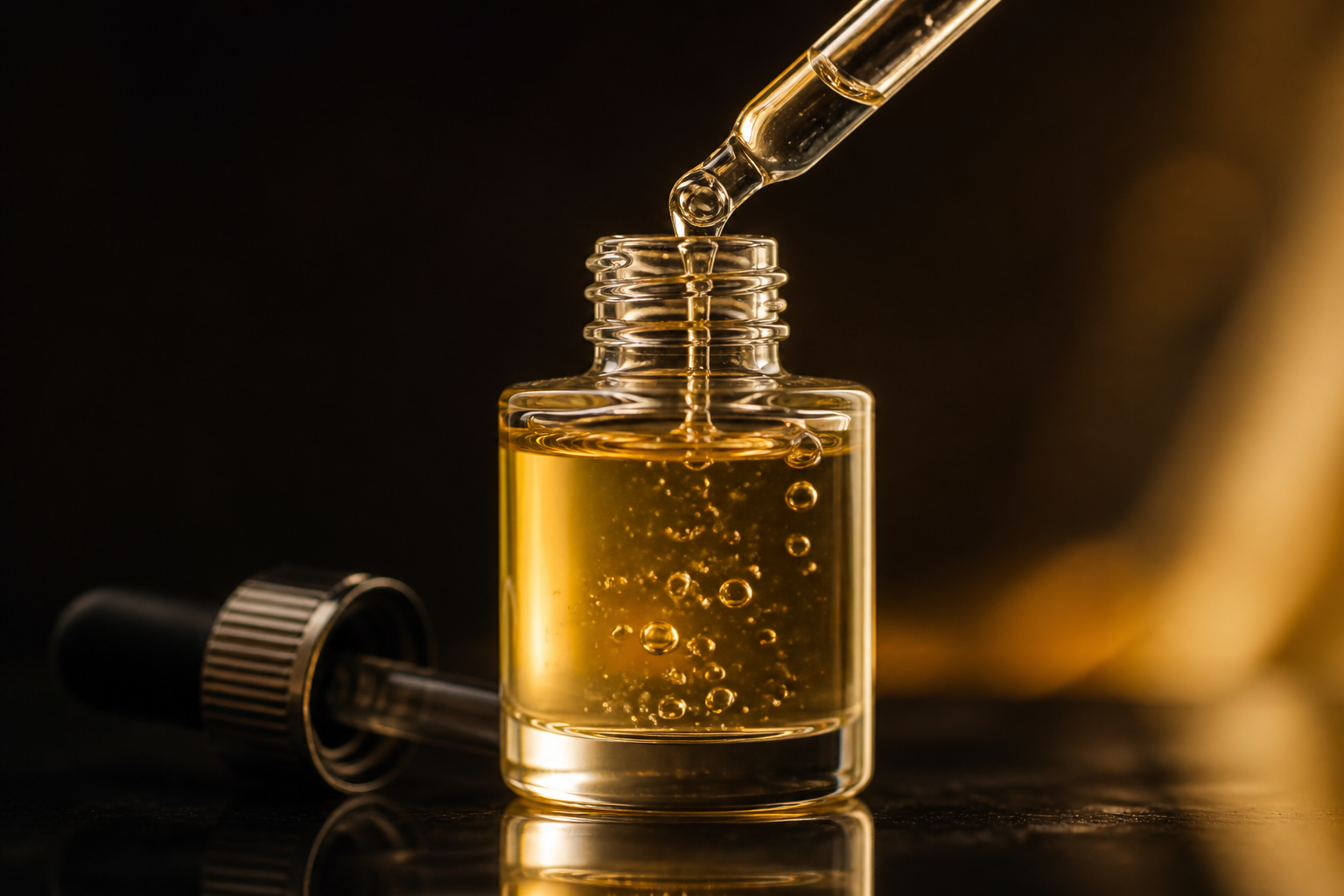
With both fractions purified, the final stage reunites them.
- If you have distillation equipment, gently distill your reserved Mercury liquid from Step 1 to concentrate it further. This also isolates the resinous, oil-soluble fraction alchemists called Sulfur, which will often separate visibly from the clearer alcohol distillate.
- Warm the purified salt from Step 2 gently, then stir it into the distilled liquid until fully dissolved.
- Bottle the finished tincture in a dark glass dropper bottle.
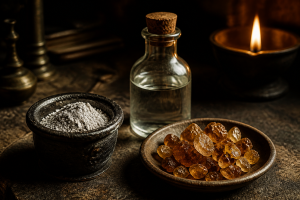
The finished preparation should be clear to lightly golden, with a concentrated aromatic scent of the source herb. Traditional spagyric practice holds that the finished tincture “contains” the plant’s full alchemical signature — Salt, Sulfur, and Mercury reunited.
Traditional Herbs to Start With
- Rosemary — associated with clarity and the sun in herbal tradition, and forgiving for beginners due to its resinous, oil-rich structure.
- Dandelion root — a classic subject in spagyric literature, valued for its mineral-rich ash.
- St. John’s Wort — widely used historically, though its potency means extra care should be taken with sourcing and handling.
Safety Notes
- Ventilation matters. Calcination produces smoke; always work outdoors or under strong ventilation.
- Alcohol is flammable. Never distill or calcine near an open flame or unshielded heat source at the same time as handling alcohol.
- This is a traditional and ceremonial practice, not a pharmaceutical process. The preparations described here are not regulated, standardized, or tested for safety or effect, and this guide makes no medical claims.
Can You Spagyrically Process Mushrooms?
People ask me this often enough that it’s worth addressing directly: the method above was written for herbaceous and woody plants, and mushrooms don’t behave the same way under it. Fungi aren’t structured like plants — their cell walls are built from chitin rather than cellulose, and their medicinally interesting compounds (beta-glucans and other polysaccharides, plus triterpenes in species like reishi) split unevenly between water-soluble and alcohol-soluble fractions. Calcine a mushroom the way you’d calcine an herb and you tend to get a dark, tarry, hard-to-purify residue rather than the clean white ash that gives you a proper Salt. Classical spagyric texts, written centuries before mushrooms were cultivated as medicine at any scale, simply don’t address them.
In practice, most mushroom-focused herbalists reach for dual extraction instead — a hot water decoction to pull the polysaccharides, combined with an alcohol tincture to pull the triterpenes, then the two are blended. It’s not spagyric work in the tria prima sense (there’s no calcination, no true Salt fraction), but it’s the tested, practical answer to the same underlying problem the spagyrists were solving: a single solvent won’t get everything a mushroom has to offer. If you want to experiment with true calcination on dried mushroom material anyway, treat it as exactly that — an experiment, with a lower success rate than herbs and a residue that may never fully purify to a stable Salt.
One more note that has nothing to do with alchemy: mushroom identification mistakes can be fatal. Only work with mushrooms you’ve bought from a reputable supplier or identified with total certainty; this guide makes no claims about the safety of any specific species.
Where to Go From Here
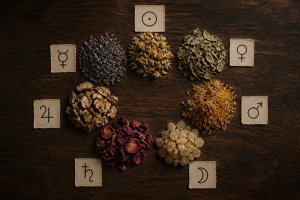
Once you’re comfortable with the basic separation-purification-recombination cycle, you can apply the same method with intention around planetary timing (see our Herbs and Planets correspondence chart) or explore the Tria Prima framework in more depth as a standalone practice (see our Tria Prima ointment guide). For the fuller narrative account of this same process, read Your First Spagyric Tincture and Separate, Purify, Recombine: The Three Movements of Spagyric Work.
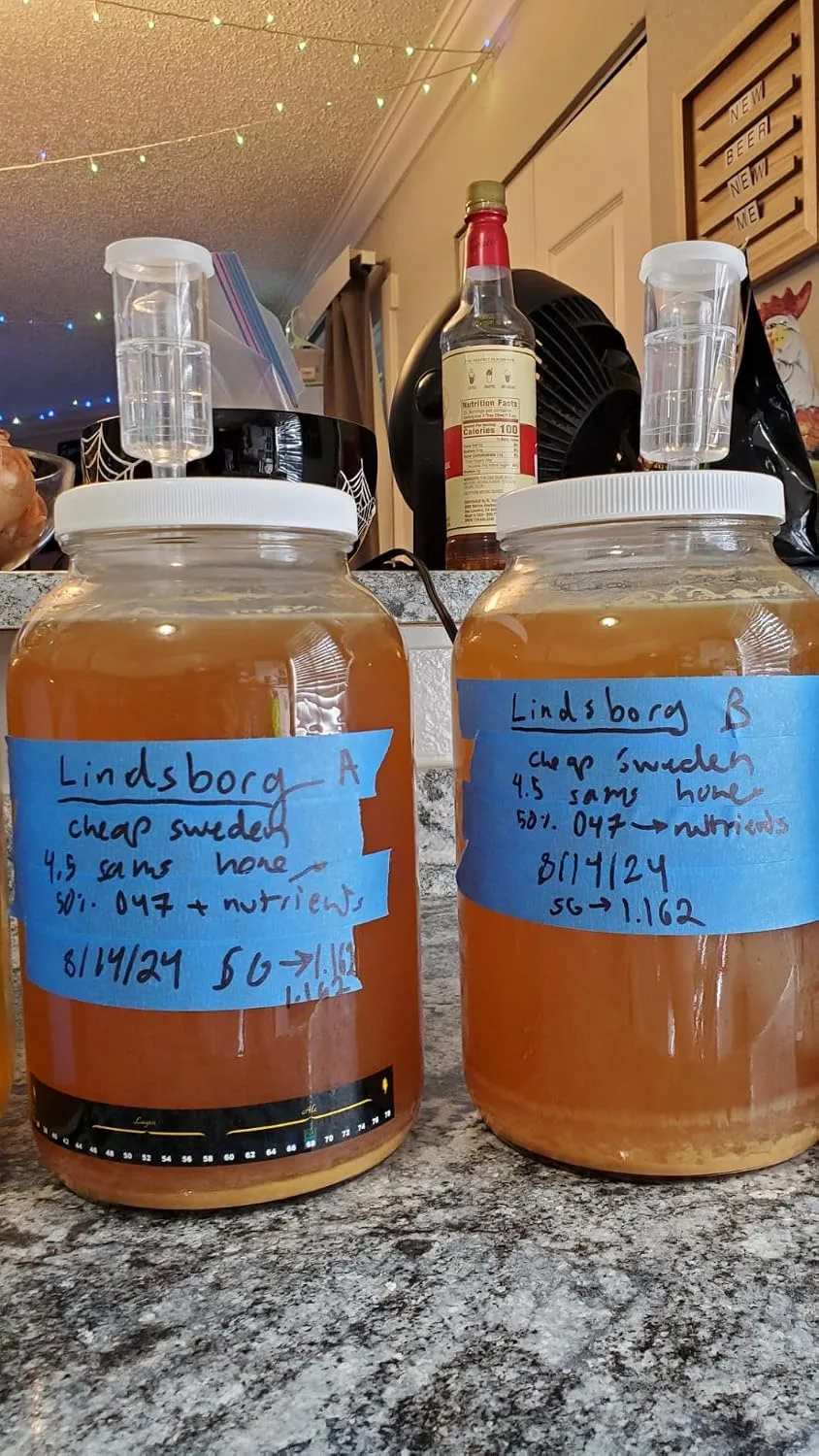
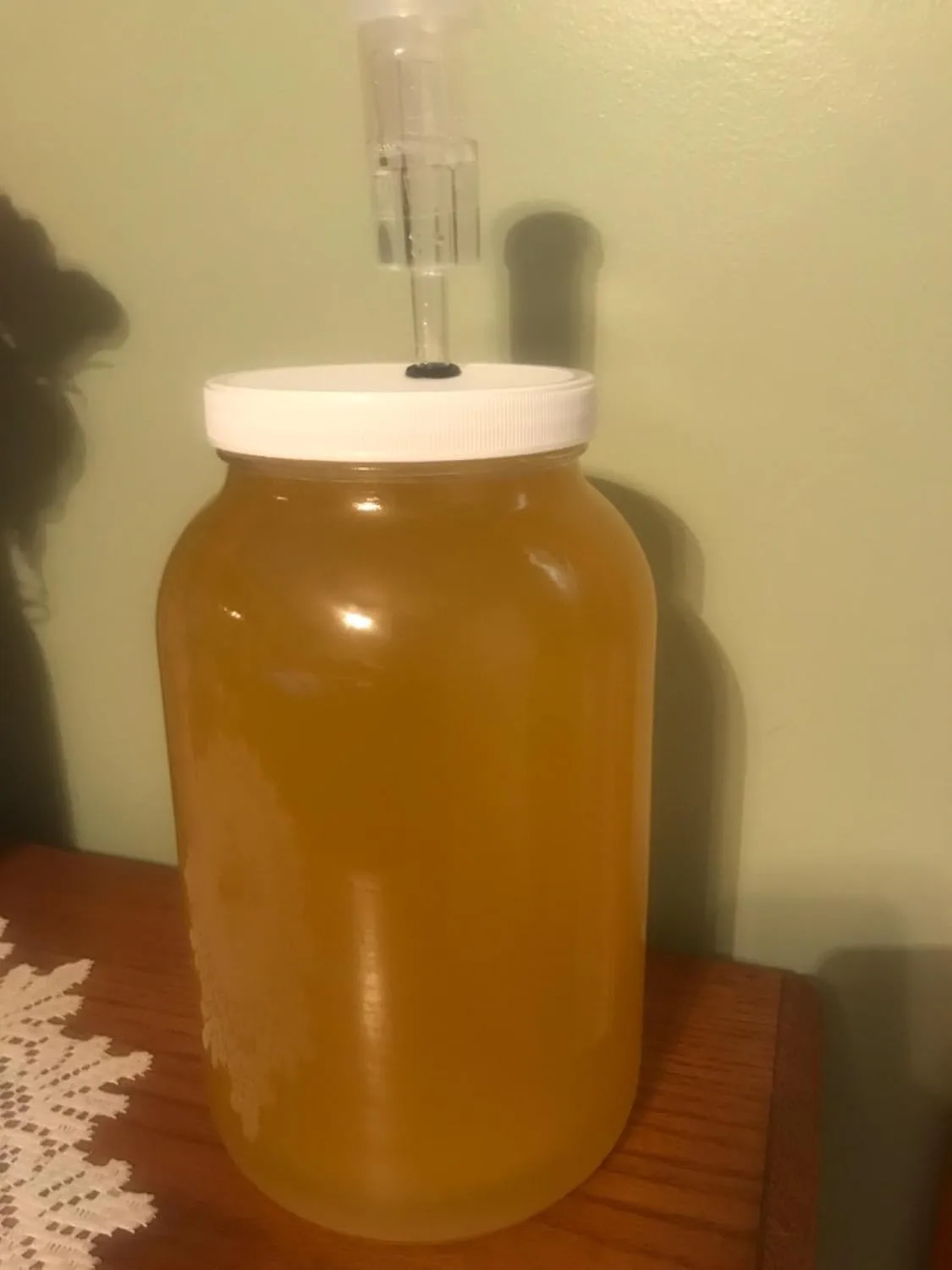
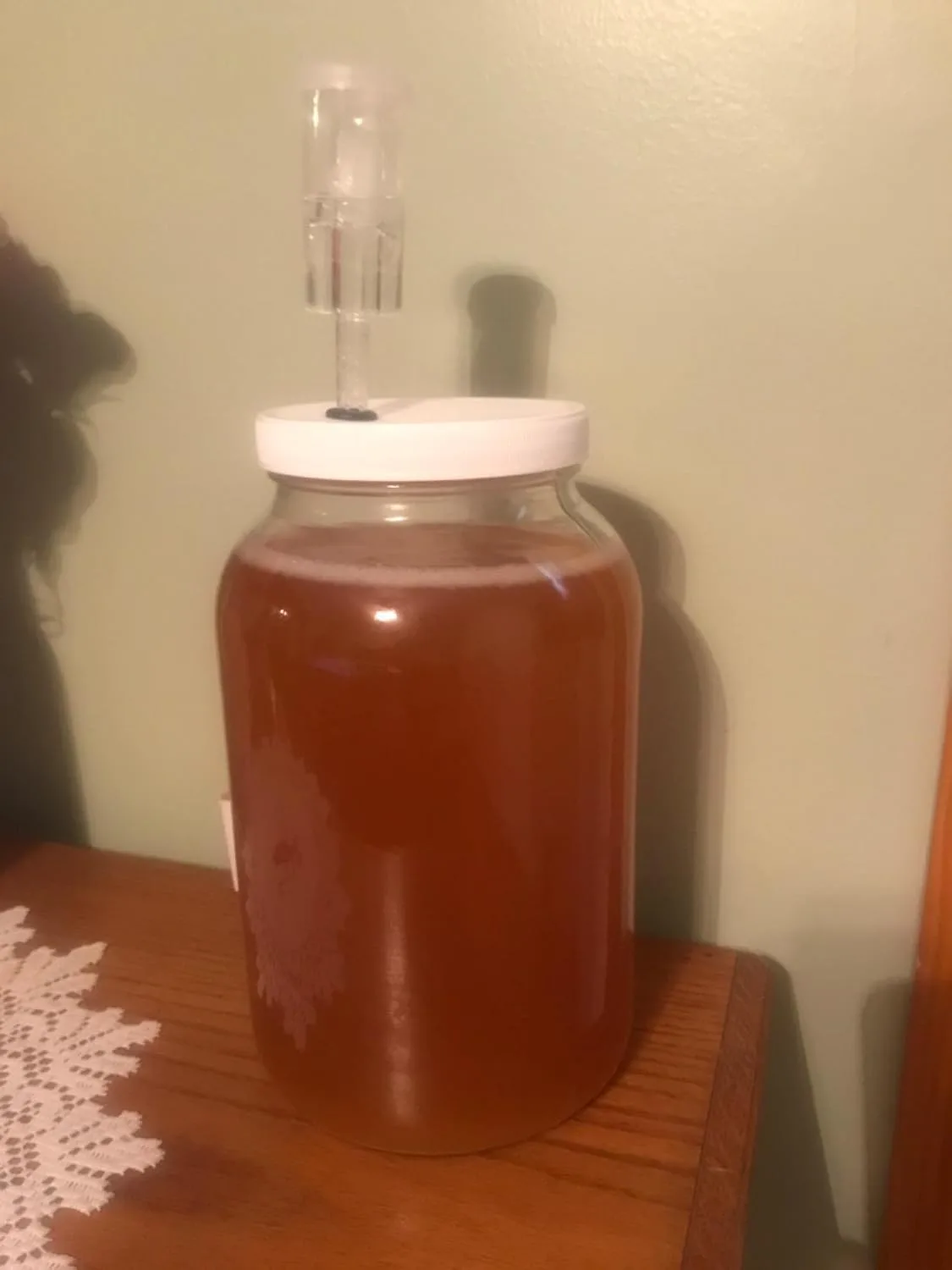
Worth having on hand: a wide-mouth glass fermentation jar with a built-in airlock — the exact vessel Step 1’s fermentation stage calls for.
Nothing in this glossary entry constitutes medical advice. Spagyric preparations are experimental products; consult a qualified medical professional before using any plant preparation described here.
Frequently Asked Questions
What are the three alchemical components in spagyric work?
In this tradition, all matter including plants contains three principles called the Tria Prima: Mercury (volatile essence), Sulfur (oil-soluble soul), and Salt (mineral body). Spagyric preparation aims to separate, purify, and recombine these three components into a single complete preparation.
How long does the fermentation stage take?
The fermentation and separation stage typically takes 2–4 weeks. You store the finely chopped herb loosely packed in alcohol in a dark, room-temperature vessel, checking periodically until the mixture shows color change, settling of plant matter, and a mellowing of the raw plant smell.
Why can’t you make spagyric tinctures with mushrooms?
Fungi have cell walls built from chitin rather than cellulose, and their medicinally interesting compounds split unevenly between water and alcohol-soluble fractions. Calcining mushrooms typically produces dark, tarry residue rather than the clean white ash needed for a proper Salt, and classical spagyric texts don’t address them.
What is the repeated whitening process in spagyric work?
Traditional spagyric practice repeats the salt purification 2–3 times by redissolving the ash, filtering, and evaporating until the resulting salt becomes as pale and fine as possible. This repeated whitening is considered a mark of purity in the tradition.
About This Article

Written by Kyle Bamboo. Kyle Bamboo has spent twelve years following the hermetic tradition of herbalism out of dusty reprints and into a home apothecary — spagyrics, planetary correspondences, and the strange internal logic of plant alchemy. Muddle and Mend takes its name from solve et coagula, dissolve and combine. He writes about the actual tradition, with its history, its vocabulary, and its genuine strangeness, not the Instagram version. More about this site.
Scope and limits. Kyle writes from a personal practice in traditional herbalism, not clinical training. Herbs interact with prescription medications and are not regulated as drugs — check interactions and talk to a pharmacist or clinician before taking anything.
Verify this against a primary source
Specifics change, and your situation may differ from the one described here. These are the authorities worth checking directly:
- NCCIH — herb safety, evidence and known interactions
- MedlinePlus Herbs and Supplements — documented interactions and cautions
- FDA Dietary Supplements — regulatory status and safety alerts