Vitriol : signification de l’acronyme et de la substance

Vitriol : signification de lacronyme et de la substance

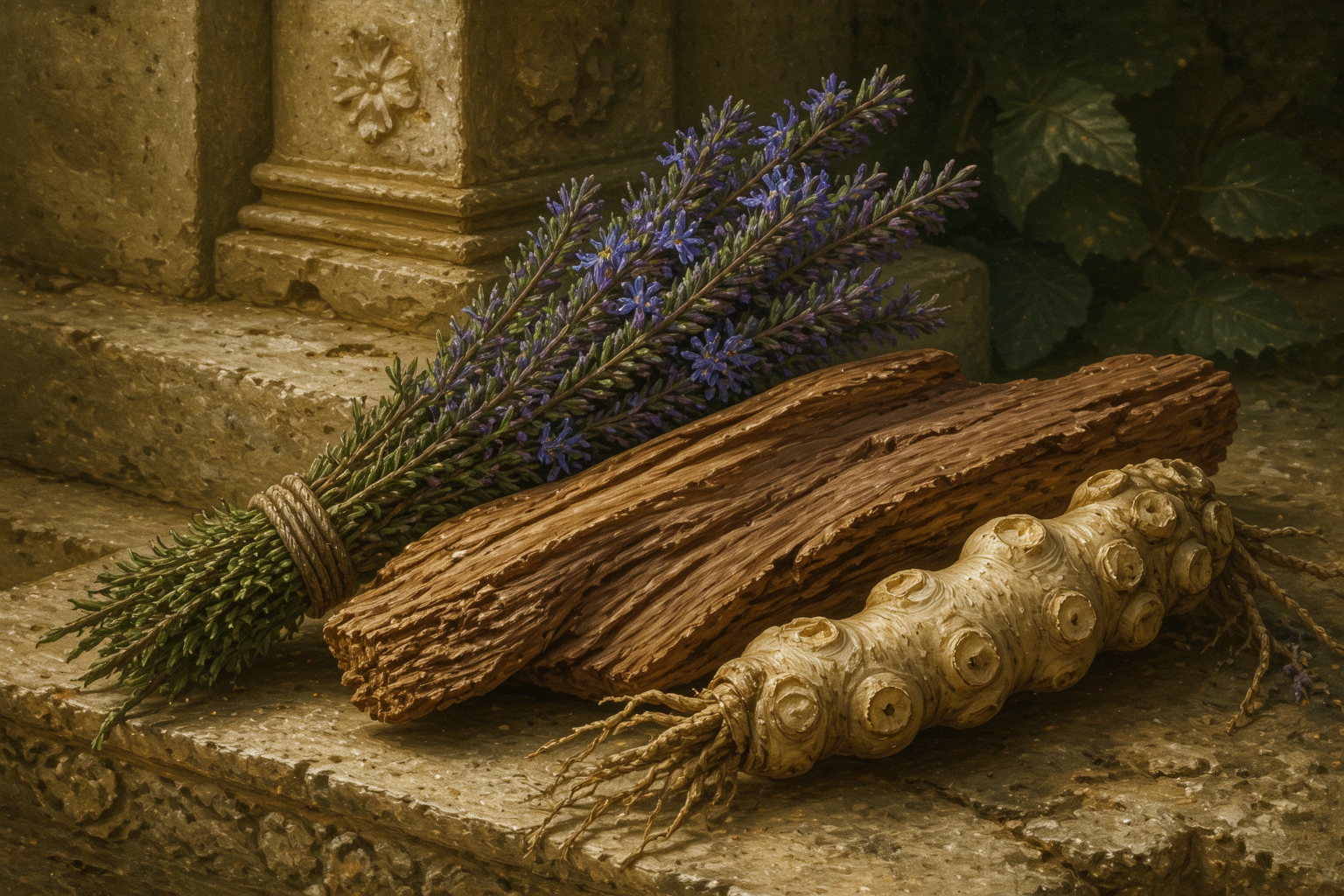
Le mot « vitriol » désigne à la fois une réalité chimique bien tangible et un acronyme latin lourd de sens ésotérique. Cette dualité n’est pas accidentelle : elle résume toute la démarche de l’alchimie hermétique, où la matière visible et la voie intérieure se répondent. Comprendre le vitriol, c’est saisir comment les anciens herboristes … Read more

Solve et Coagula : signification, traduction et origine

Solve et Coagula : signification, traduction et origine

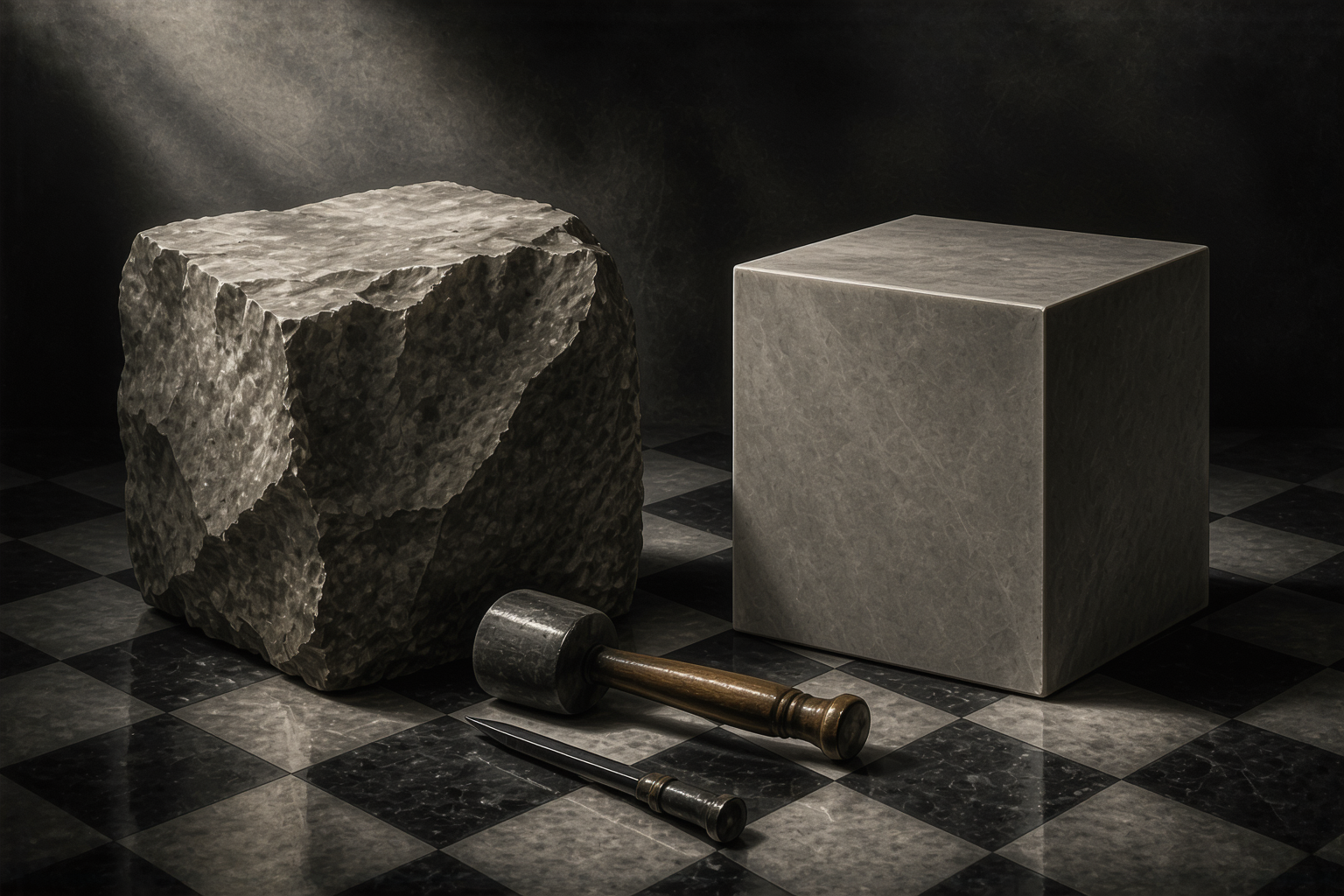
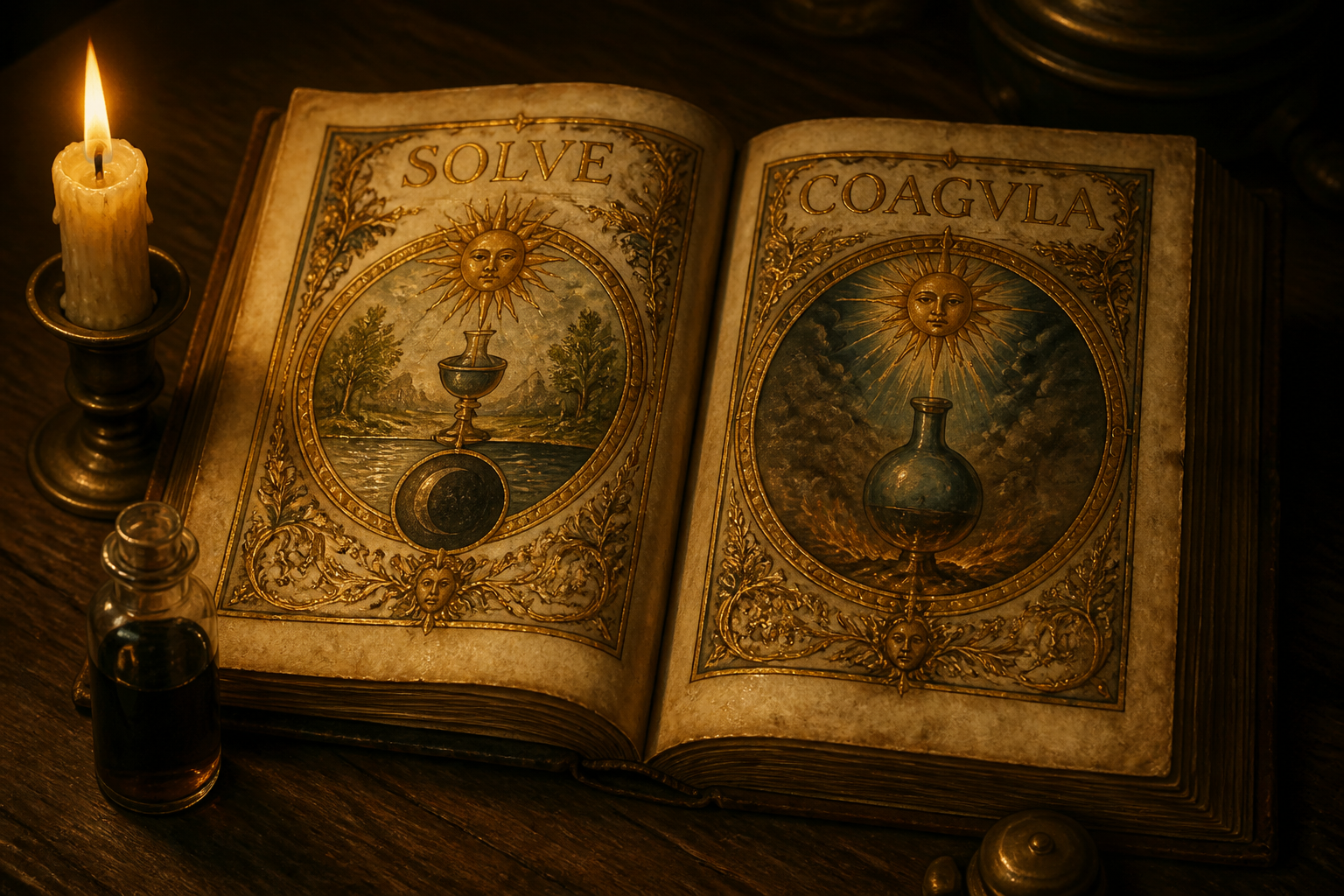
« Solve et coagula » signifie littéralement « dissous et coagule ». C’est la devise opératoire fondamentale de l’alchimie occidentale, qui décrit le cycle de décomposition puis de recombinaison d’une substance. Vous rencontrerez cette formule partout dans la tradition hermétique : elle n’est pas une maxime philosophique, mais une instruction pratique, adressée à celui ou celle qui fait le travail. … Read more

Can You Make a Spagyric Without a Crucible?

Can You Make a Spagyric Without a Crucible

Yes. A crucible is refractory, not magical—a container that tolerates sustained heat without cracking or shedding material into your ash. Several things in an ordinary kitchen or garden will do the same job. The real constraint is heat, not hardware. What the Crucible Is Actually For In plant spagyrics, the crucible’s sole purpose is to … Read more

The Sheaf of Corn: Masonry’s Oldest Pun, and the Grain Behind It

The Sheaf of Corn: Masonrys Oldest Pun, and the Grain Behind It

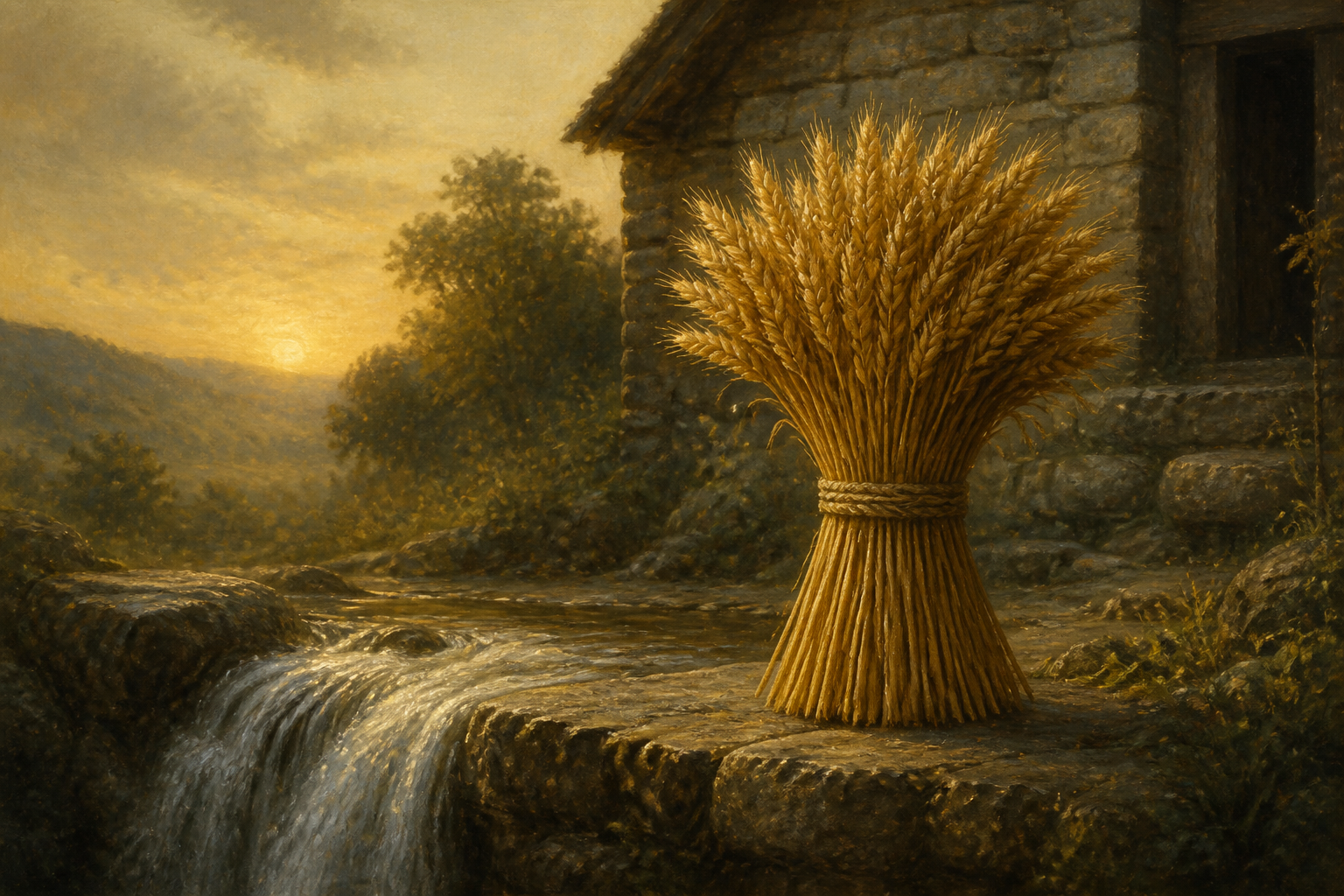
The sheaf of corn is a Fellowcraft emblem, paired with a flowing stream—and it is half of a bilingual pun that most readers of Masonic symbolism never see. Even more fundamentally, “corn” here means grain: wheat or barley, never the maize we now call corn. That single word slip has obscured the emblem’s true meaning … Read more

Tisane de Saint-Germain: The Deathless Count and the Tea That Outlived Him

Tisane de Saint-Germain: The Deathless Count and the Tea That Outlived Him

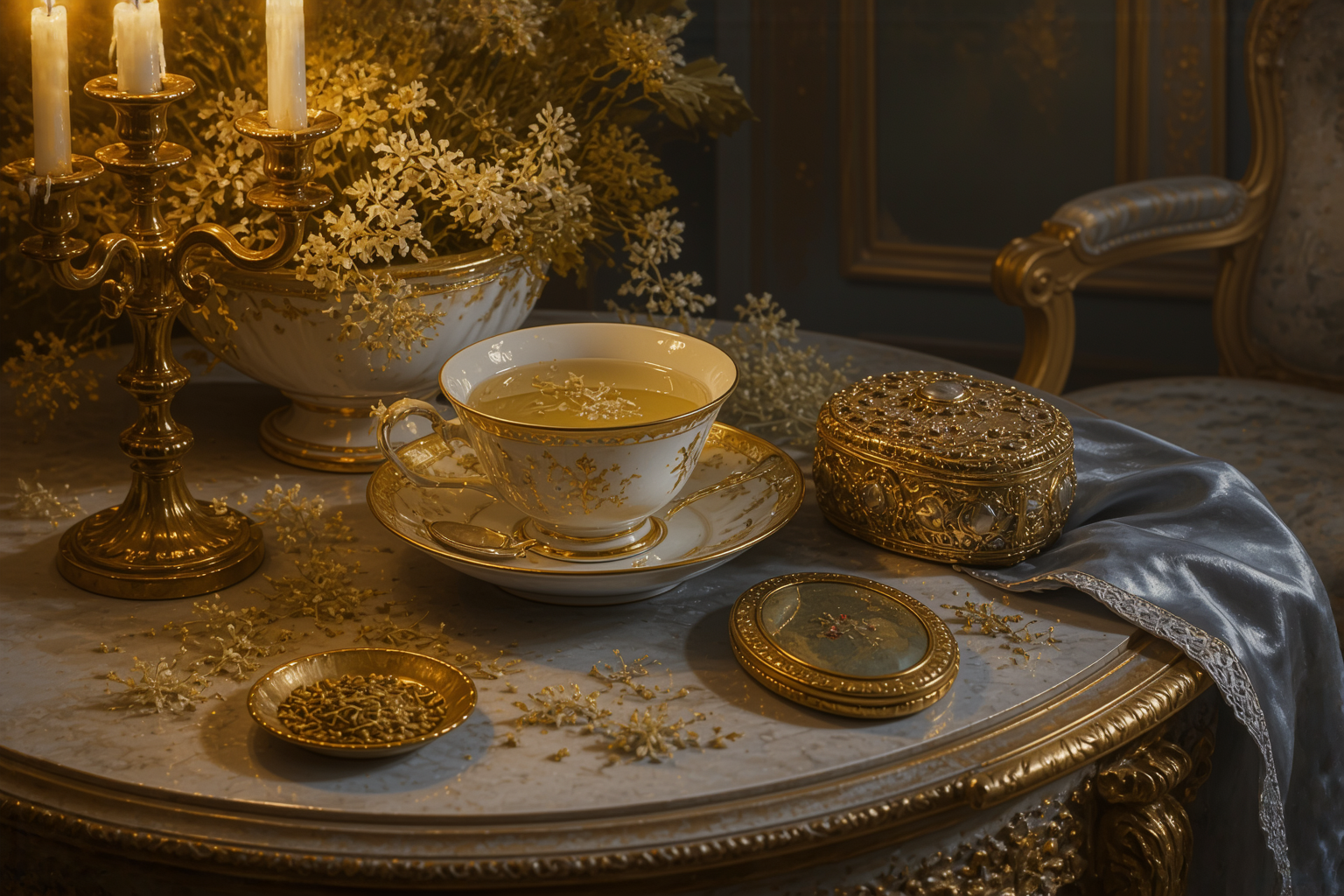
The Comte de Saint-Germain is the eighteenth century’s most durable mystery: a courtier of unknown origin who dazzled Versailles in the 1750s—spoke half a dozen languages, played violin brilliantly, dabbled in alchemy and dyes, claimed (or slyly allowed others to claim) to be centuries old and to possess an elixir of life. Voltaire called him, … Read more

Mugwort

Mugwort

Artemisia vulgaris, the Mugwort, is the Moon’s own herb—a plant of silver undersides and nocturnal counsel. She rules the woman’s blood, kindles vision, and bears the reputation of both healer and hedge-witch. Let the reader mark her with respect. Of Its Names and Nature The plant I speak of bears the botanical name Artemisia vulgaris, … Read more

Wormwood

Wormwood

Artemisia absinthium, the green bitter of Mars, stands among the most storied and contentious plants in the Western apothecary—a worm-expeller, a digestive awakener, and the botanical ghost that haunts the absinthe bottle and the fevered dreams of nineteenth-century Paris. Of Its Names and Nature The plant is called by its Latinate name Artemisia absinthium L., … Read more