Henbane

Henbane

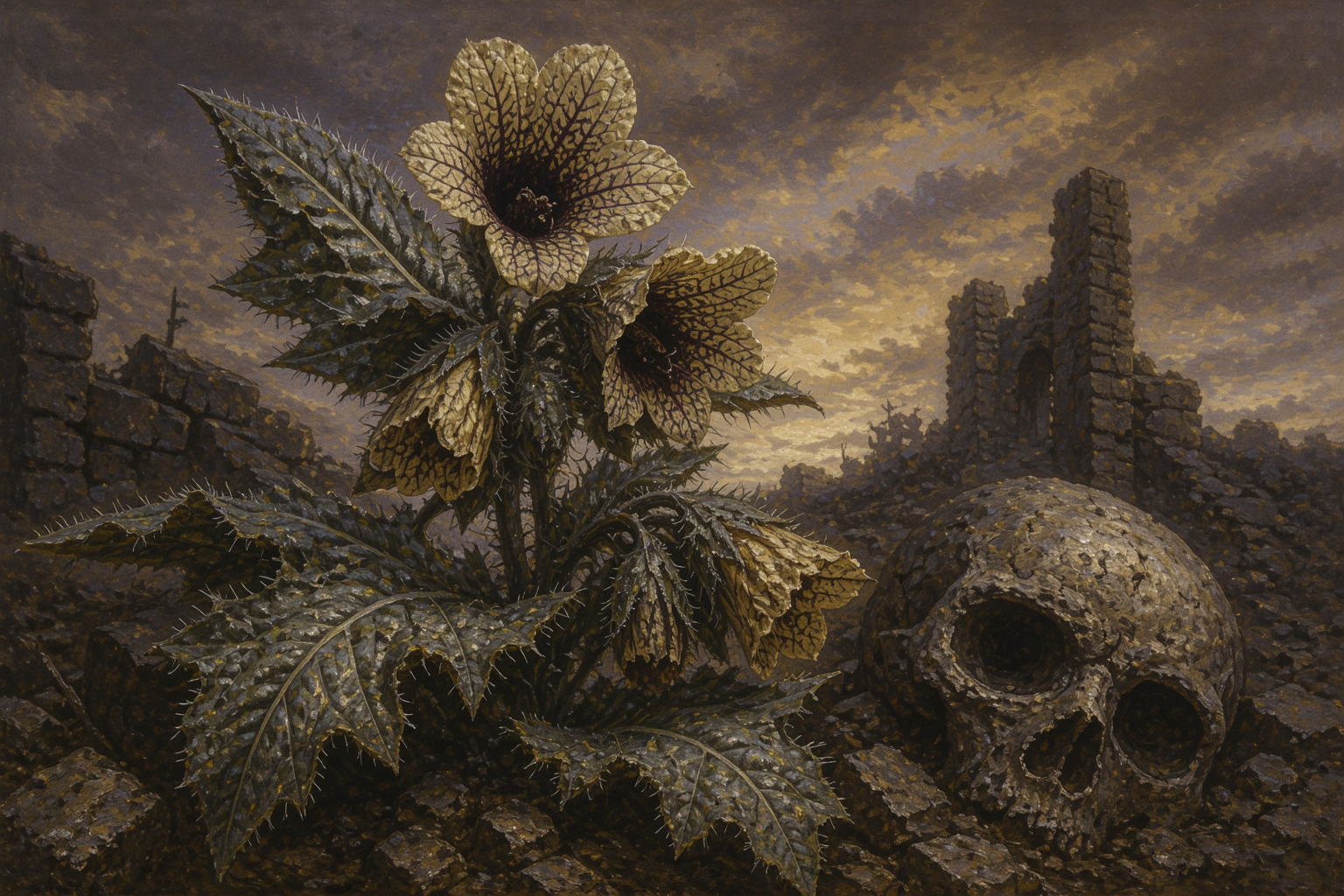
Hyoscyamus niger, the black henbane or stinking nightshade, is Saturn’s child and one of the most perilous plants that grows in the temperate earth. I set down what I know of it not as invitation to use, but as record—for the scholar, the gardener who has found it wild, and the reader who wishes to … Read more
Mandrake

Mandrake

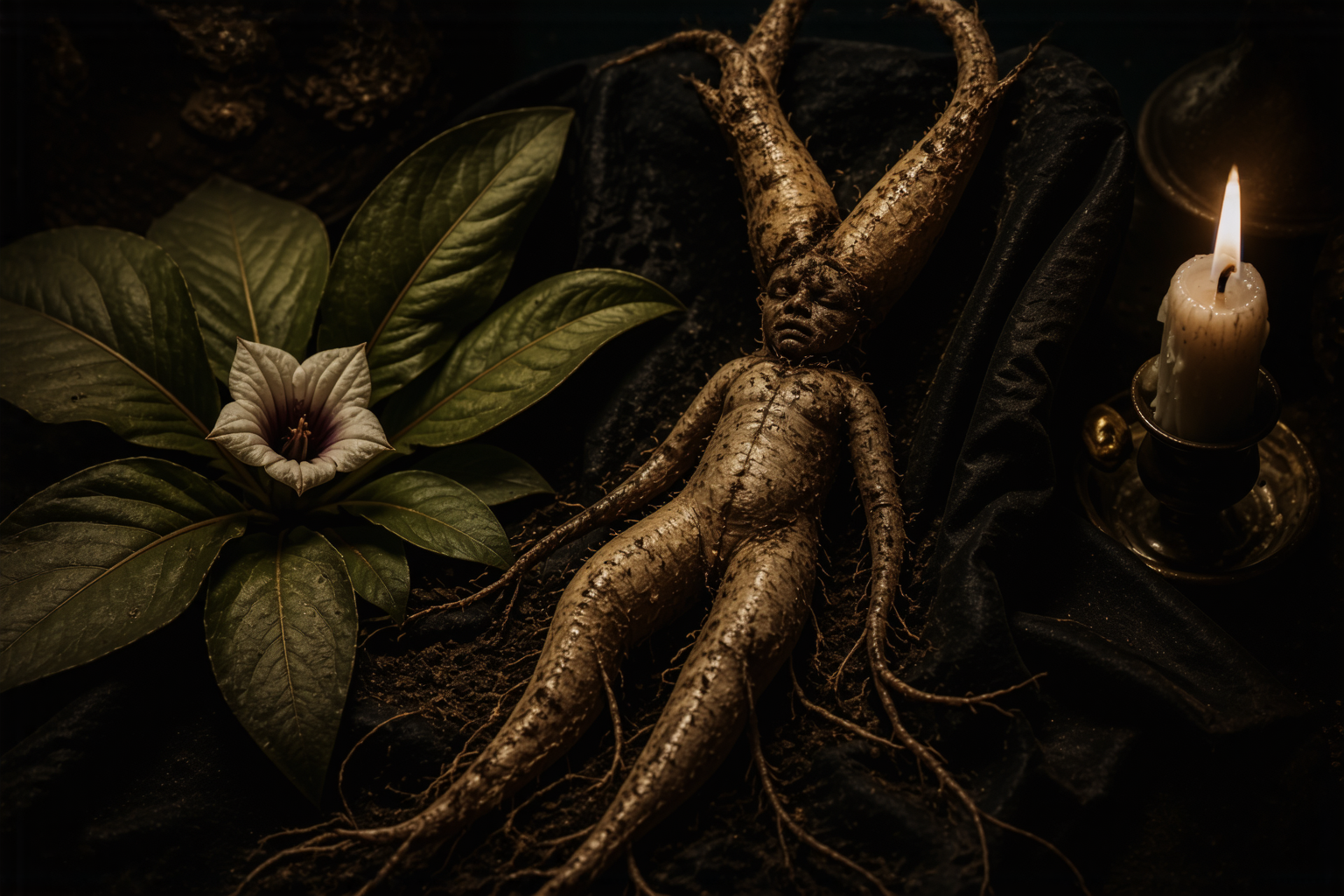
Mandragora officinarum, ruled by Saturn in the depths and by Mercury in the heights of desire, is perhaps the most storied of all solanaceous plants—a true narcotic, a legendary charm, and a poison whose reputation has overshadowed its actual virtues for two thousand years. Let the reader approach it as a matter of natural philosophy … Read more

Foxglove

Foxglove

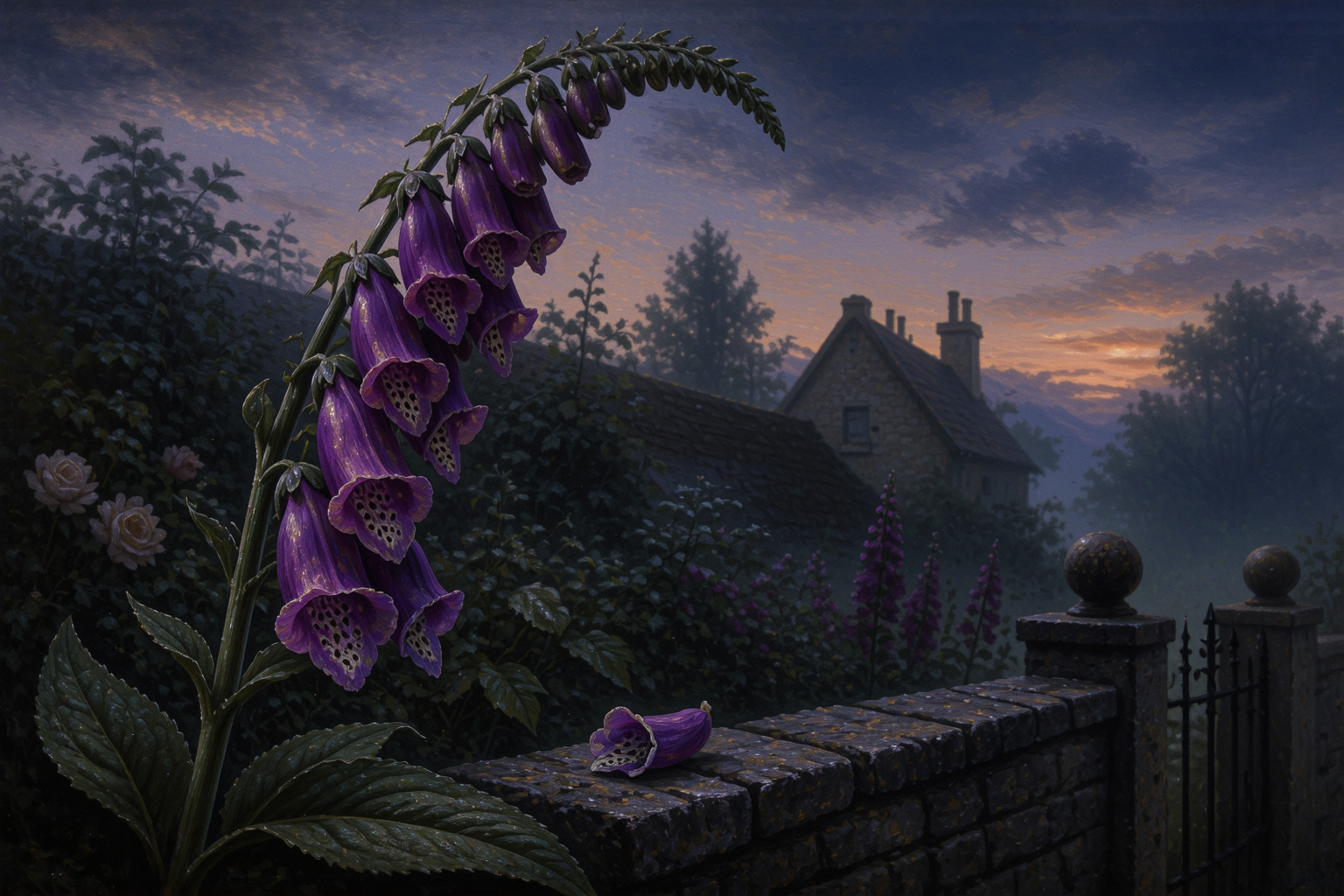
Digitalis purpurea, the foxglove, is a plant of Venus bound in Saturn’s shadow—a healer of the failing heart and a poison that has taught herbalism its most bitter and necessary lesson. I set down here what the old writers knew, what William Withering proved, and what every living reader must understand: that the line between … Read more

Fly Agaric and the Shaman’s Journey: What Siberian Peoples Believed a Mushroom Could Do

Fly Agaric and the Shamans Journey: What Siberian Peoples Believed a Mushroom Could Do

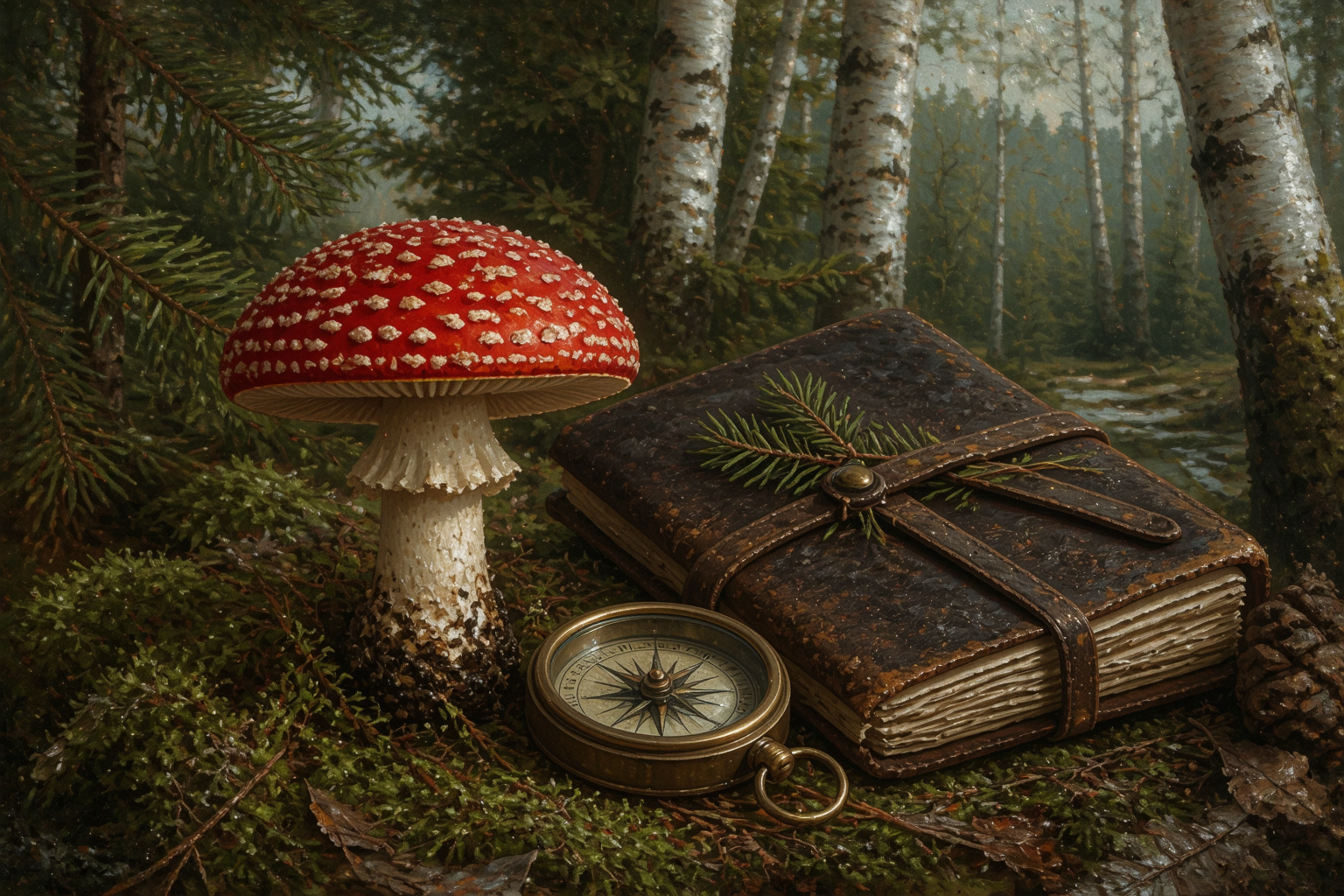
Among the Koryak peoples of northeastern Siberia, a red-and-white spotted mushroom called wapaq—known to science as Amanita muscaria, the fly agaric—held a place at the very center of shamanic healing and divination. What made this fungus extraordinary, in the eyes of the Koryak, was not merely its capacity to alter consciousness, but its role as … Read more

Theriac: The Sixty-Ingredient Cure-All That Ruled Medicine for 1,800 Years

Theriac: The Sixty-Ingredient Cure-All That Ruled Medicine for 1,800 Years

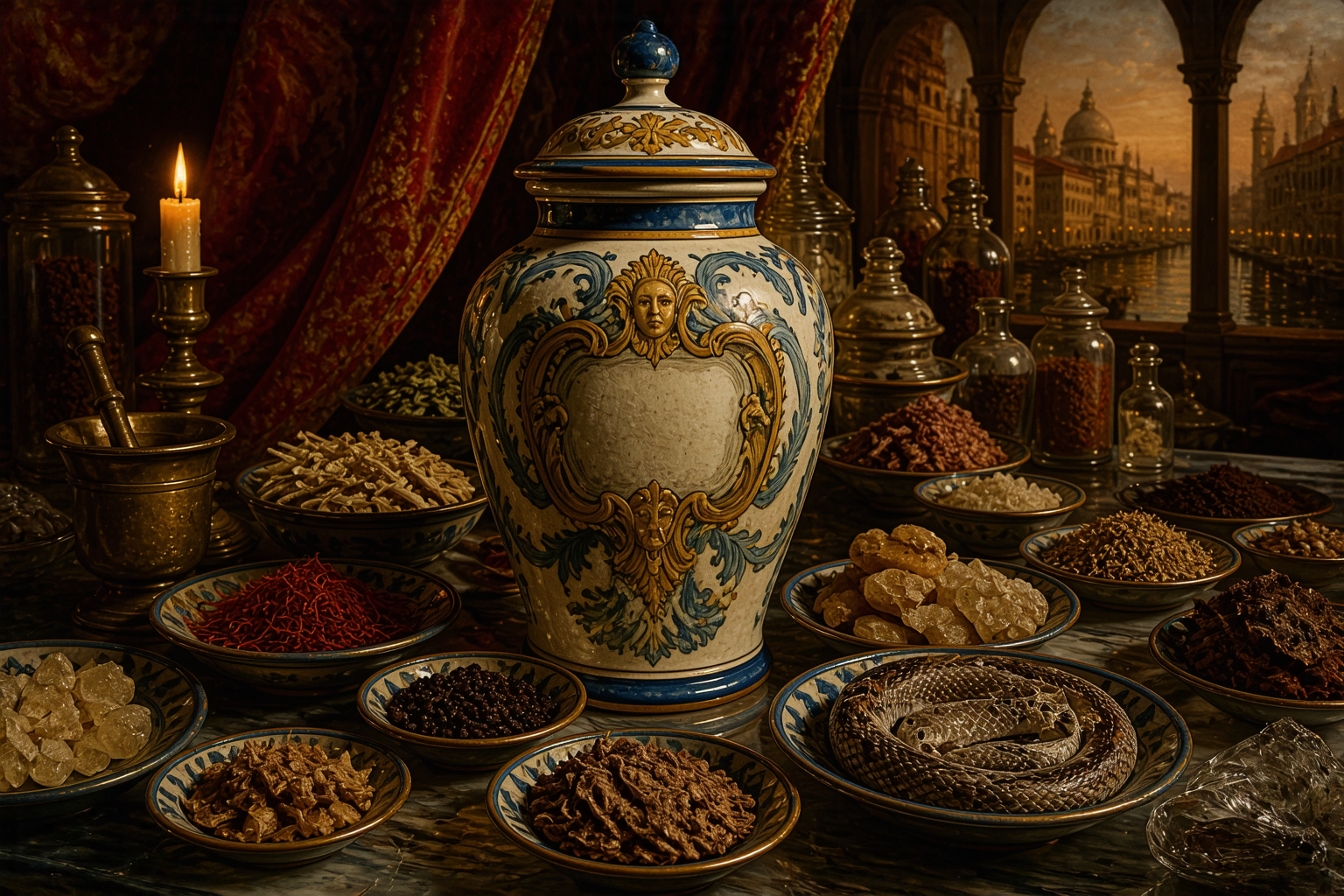
For roughly eighteen centuries, the most prestigious medicine in the Western world was a single preparation: theriac—a fermented paste of five to seven dozen ingredients including opium and the flesh of vipers, aged like wine, priced like treasure, and dispensed against everything from snakebite to plague. No modern drug has held the market for a … Read more

Corn, Wine, and Oil: The Lodge’s Elements of Consecration at My Workbench

Corn, Wine, and Oil: The Lodges Elements of Consecration at My Workbench

I am not a Freemason. I say this plainly at the start because what I’m about to describe comes from the published record—Albert Mackey’s Encyclopedia of Freemasonry, grand lodge ceremonial guides printed for public purchase, and two centuries of historical archive. I read these texts as a herbalist and plant alchemist reads any craft tradition: … Read more

Elias Ashmole: The Alchemist at Freemasonry’s Earliest Recorded Initiation

Elias Ashmole: The Alchemist at Freemasonrys Earliest Recorded Initiation

On 16 October 1646, in Warrington, Lancashire, Elias Ashmole wrote in his diary that he was made a Free Mason — one of the earliest surviving records of a speculative, non-stonemason initiation in England. The same man spent those years collecting alchemical manuscripts, and six years later published the most important anthology of English alchemy … Read more