Prima Materia: The First Matter Alchemists Chased

Prima Materia: The First Matter Alchemists Chased

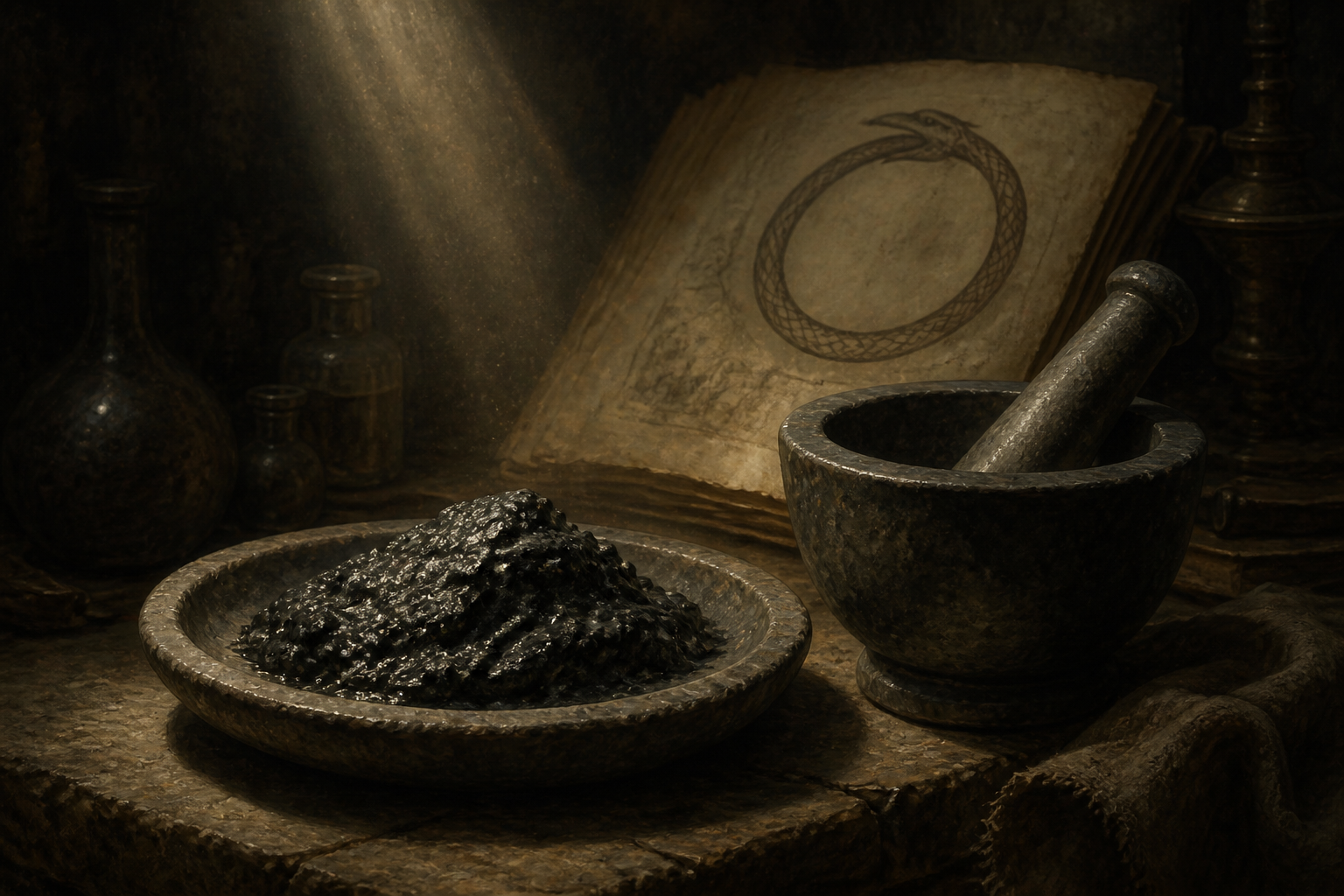
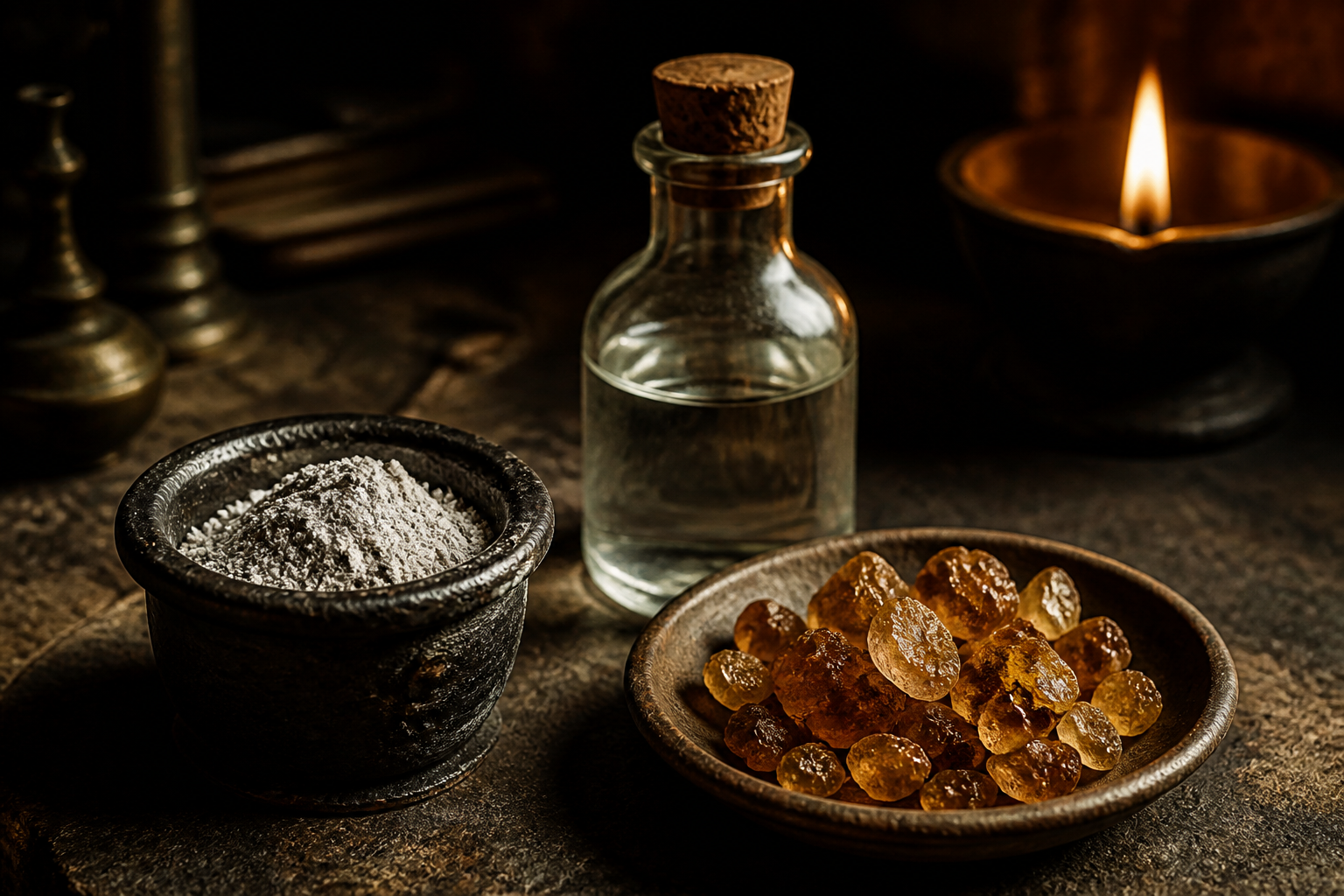
Prima materia (Latin, “first matter”) is the alchemical term for the raw, undifferentiated substance that remains once a thing has been broken down past its familiar form—the formless starting point every alchemical operation begins from, and the state every “solve” (see Solve et Coagula) is aiming to reach before the work of recombination can begin. … Read more
The Philosopher’s Stone: What It Actually Meant to Alchemists

The Philosophers Stone: What It Actually Meant to Alchemists

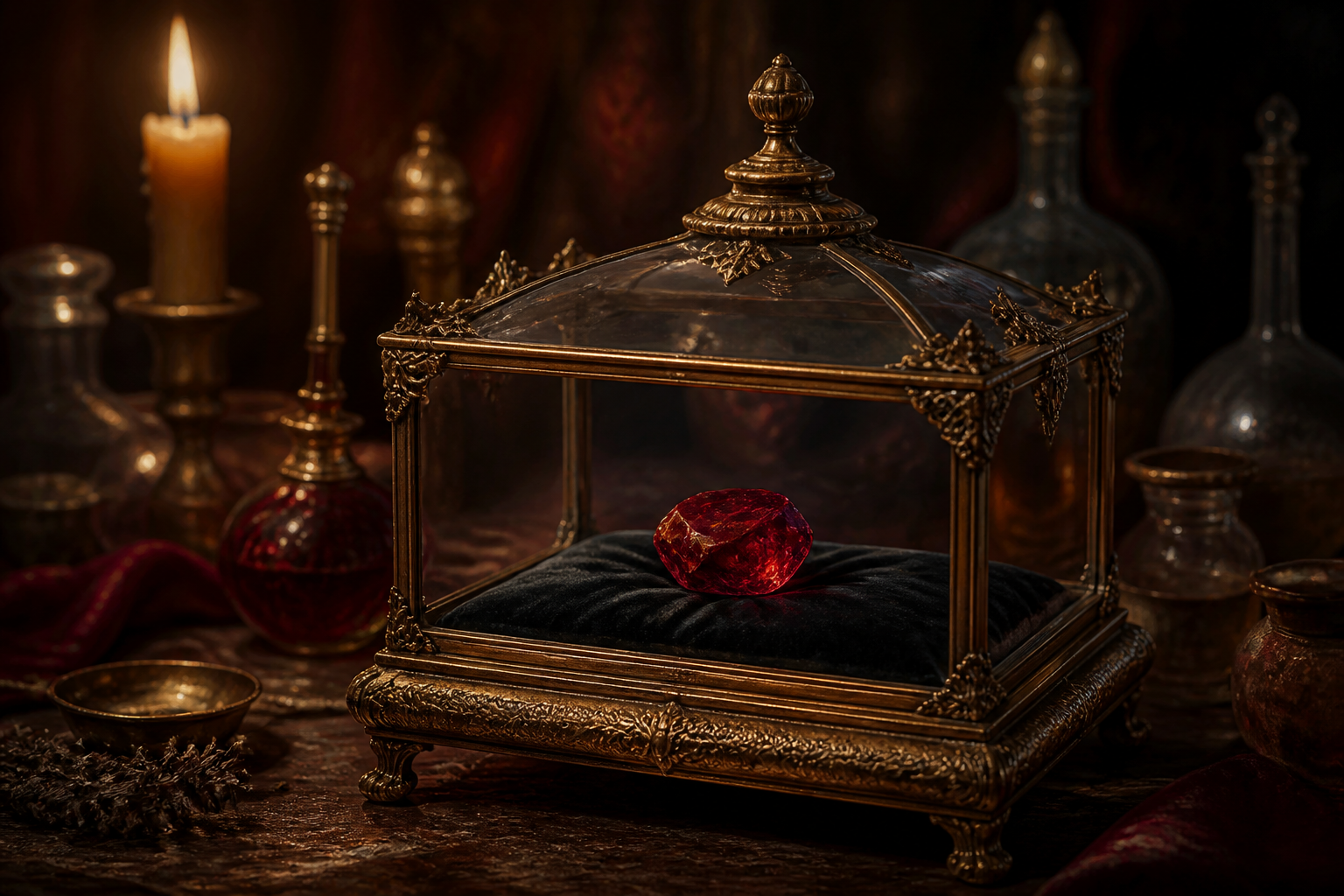
The Philosopher’s Stone (Latin: lapis philosophorum) was the legendary end product of the Great Work—a substance believed capable of “perfecting” imperfect matter, most famously by transmuting base metals into gold, and in its medical application, of healing and prolonging life. It was never believed to be an actual rock. The word “stone” is a technical … Read more

Mars and Saturn in the Apothecary: Nettle, Comfrey, and the Virtue of Resistance

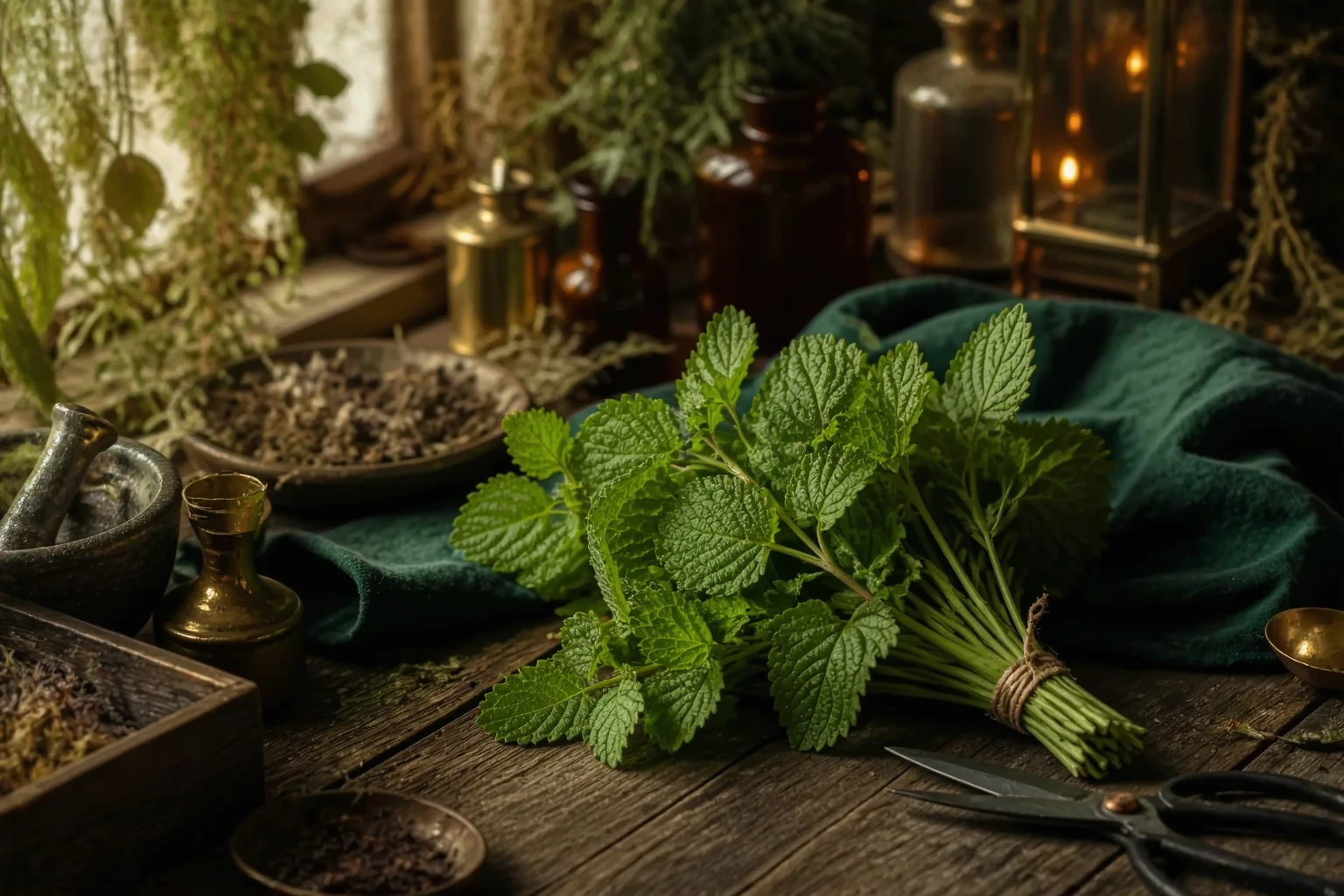
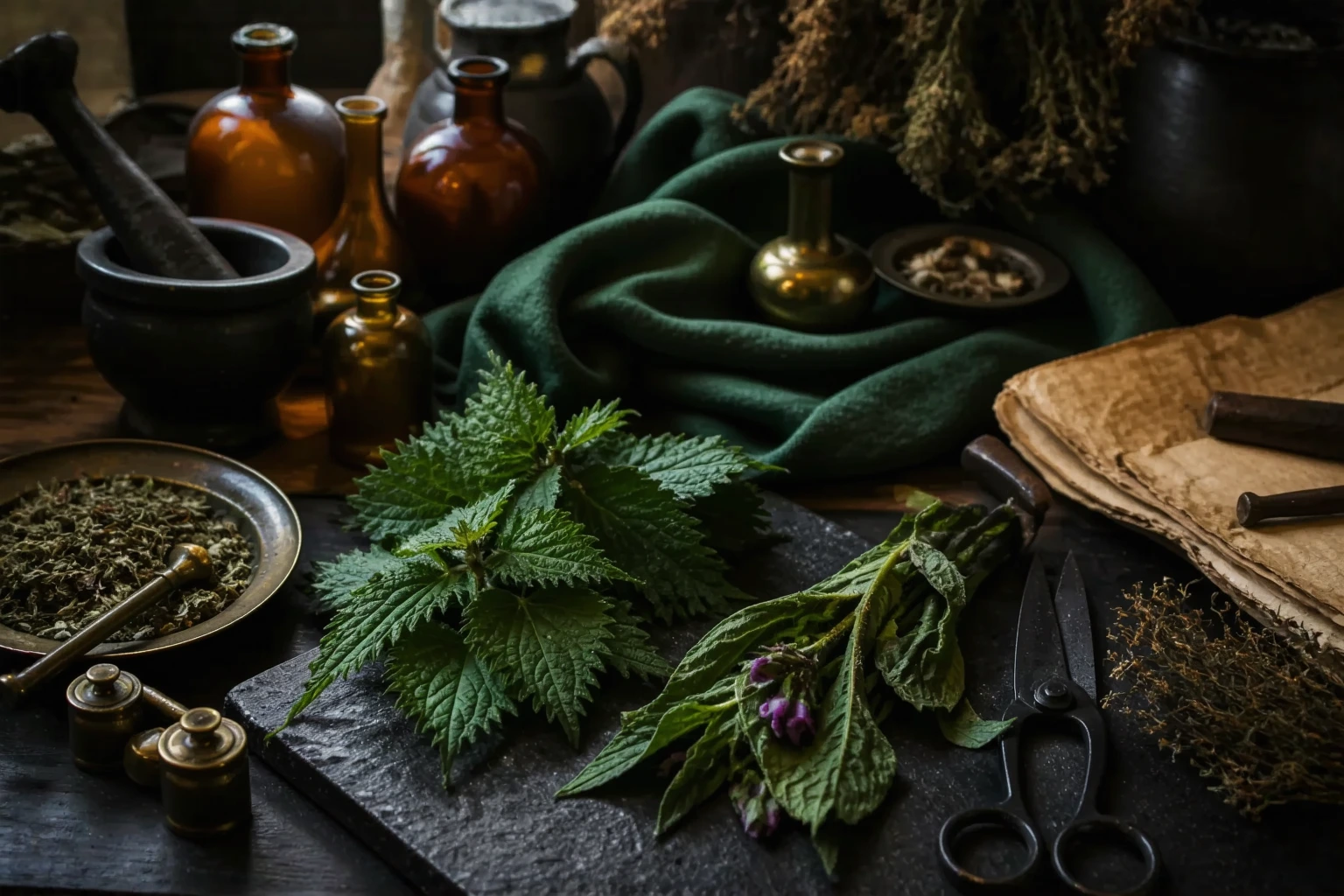
Grab a nettle stem bare-handed. Go ahead. If you’ve ever done it by accident—reaching into a hedge, brushing past a riverbank stand in August—you already know what happens. The sting is not a warning. It is the plant’s entire argument, delivered instantly and without negotiation. Formic acid, histamine, serotonin, oxalic acid: a chemical brief in … Read more

Solve et Coagula: What the Phrase Actually Means

Solve et Coagula: What the Phrase Actually Means

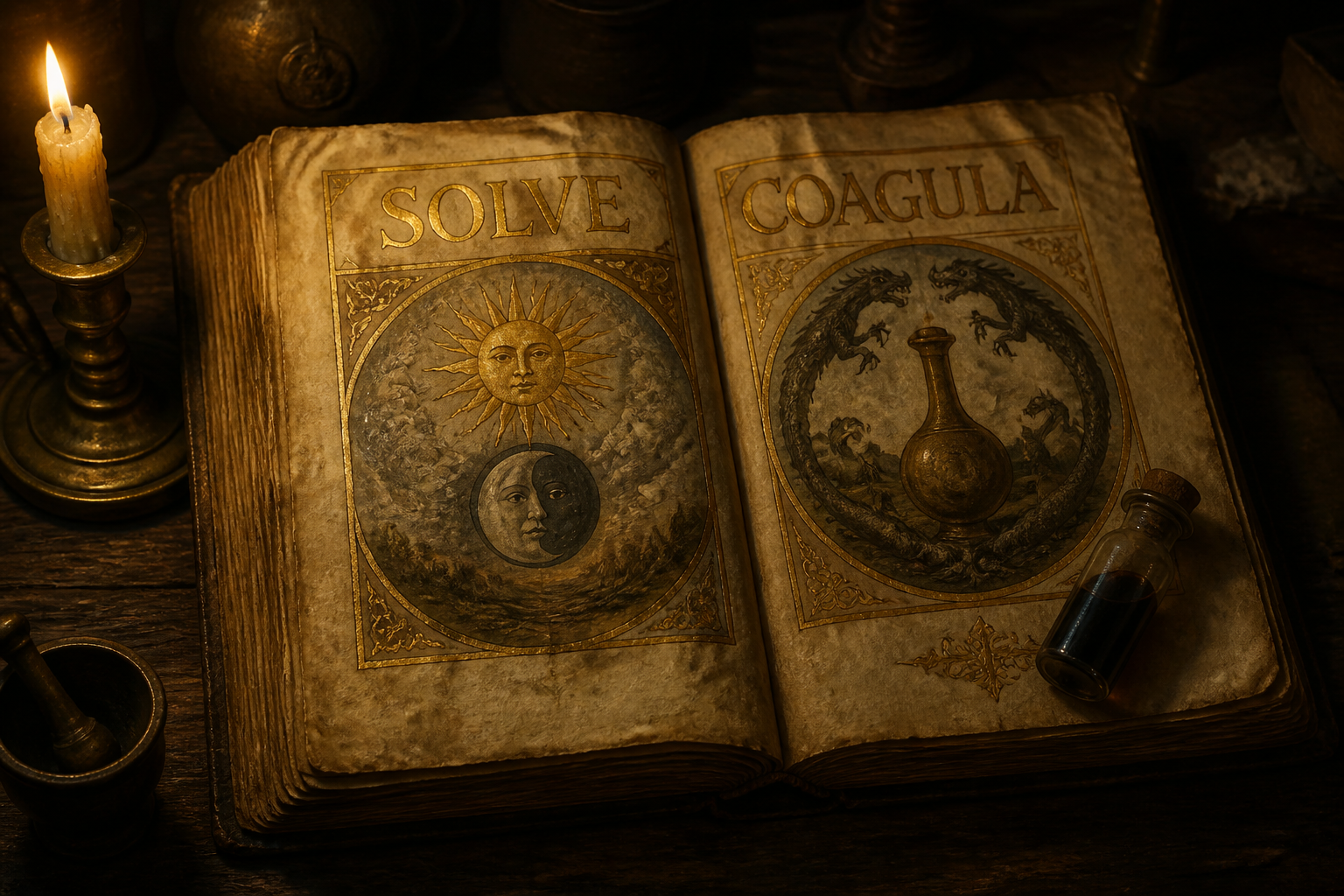
Solve et coagula is Latin for “dissolve and coagulate” — the two-word operational motto of Western alchemy, describing the cyclical process of breaking a substance down to its raw components (solve) and then recombining those components into something more refined and potent (coagula). It is not merely a slogan or philosophical principle; it is the … Read more

The Tria Prima in Practice: Making a Salt-Sulfur-Mercury Ointment

Tria Prima Ointment  Hero

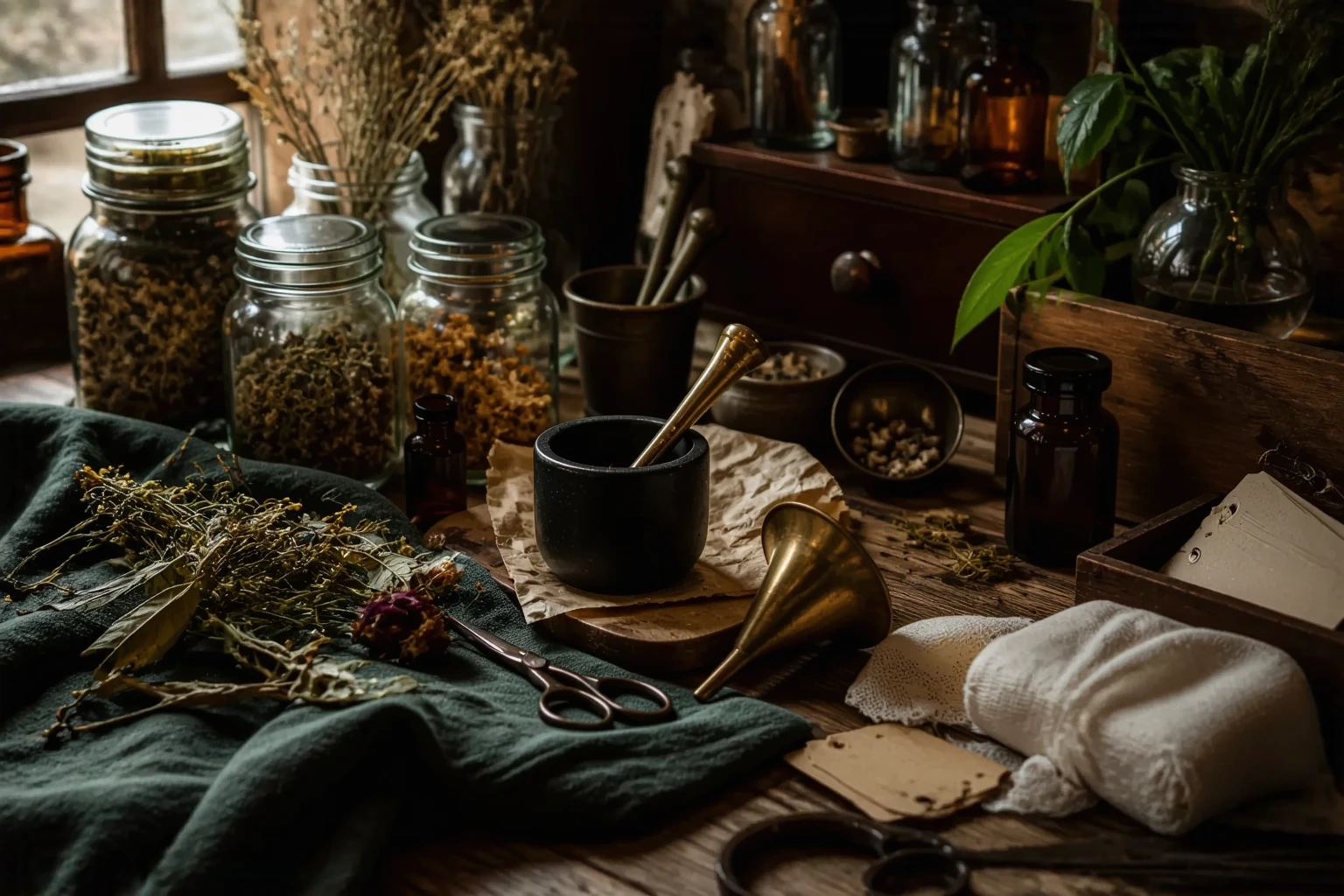
A hands-on demonstration of Paracelsus’s three alchemical principles. From Theory to Practice Paracelsus proposed that all matter — including every plant, mineral, and living body — is composed of three principles: Salt (the body, the fixed and mineral component), Sulfur (the soul, the combustible and oil-soluble component), and Mercury (the spirit, the volatile and transformative … Read more

Herbs and Planets: A Traditional Correspondence Chart and How to Use It

Herbs and Planets  Hero

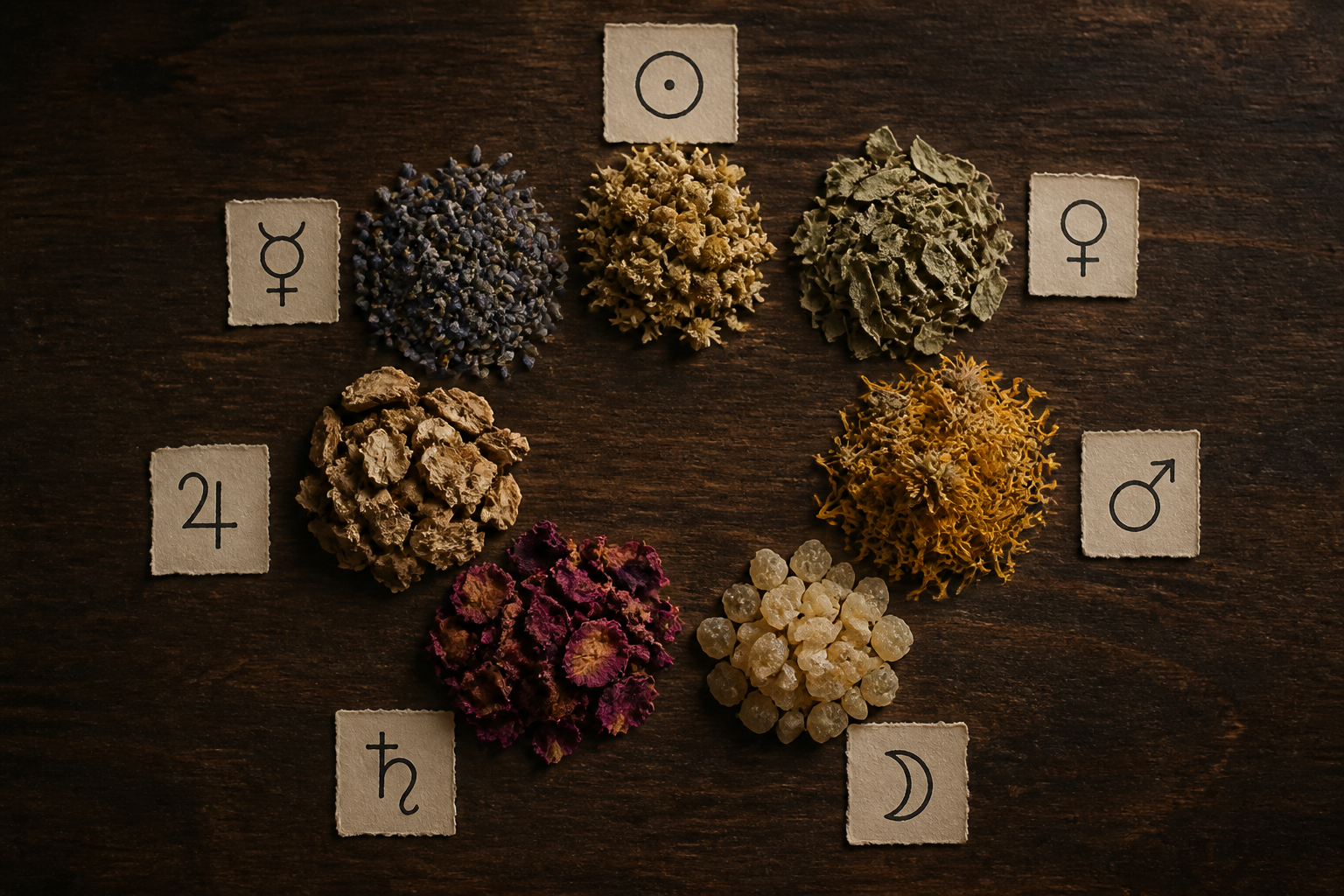
A reference guide to planetary herb attributions, drawn from Culpeper, Paracelsus, and medieval herbal tradition. Why Herbalists Assigned Plants to Planets Long before modern botany, herbalists organized plants using the same symbolic system that governed astrology, medicine, and alchemy: the seven classical planets — Sun, Moon, Mercury, Venus, Mars, Jupiter, and Saturn. Each planet was … Read more

How to Make a Spagyric Tincture: Separation, Purification, Recombination

Spagyric Tincture  Hero

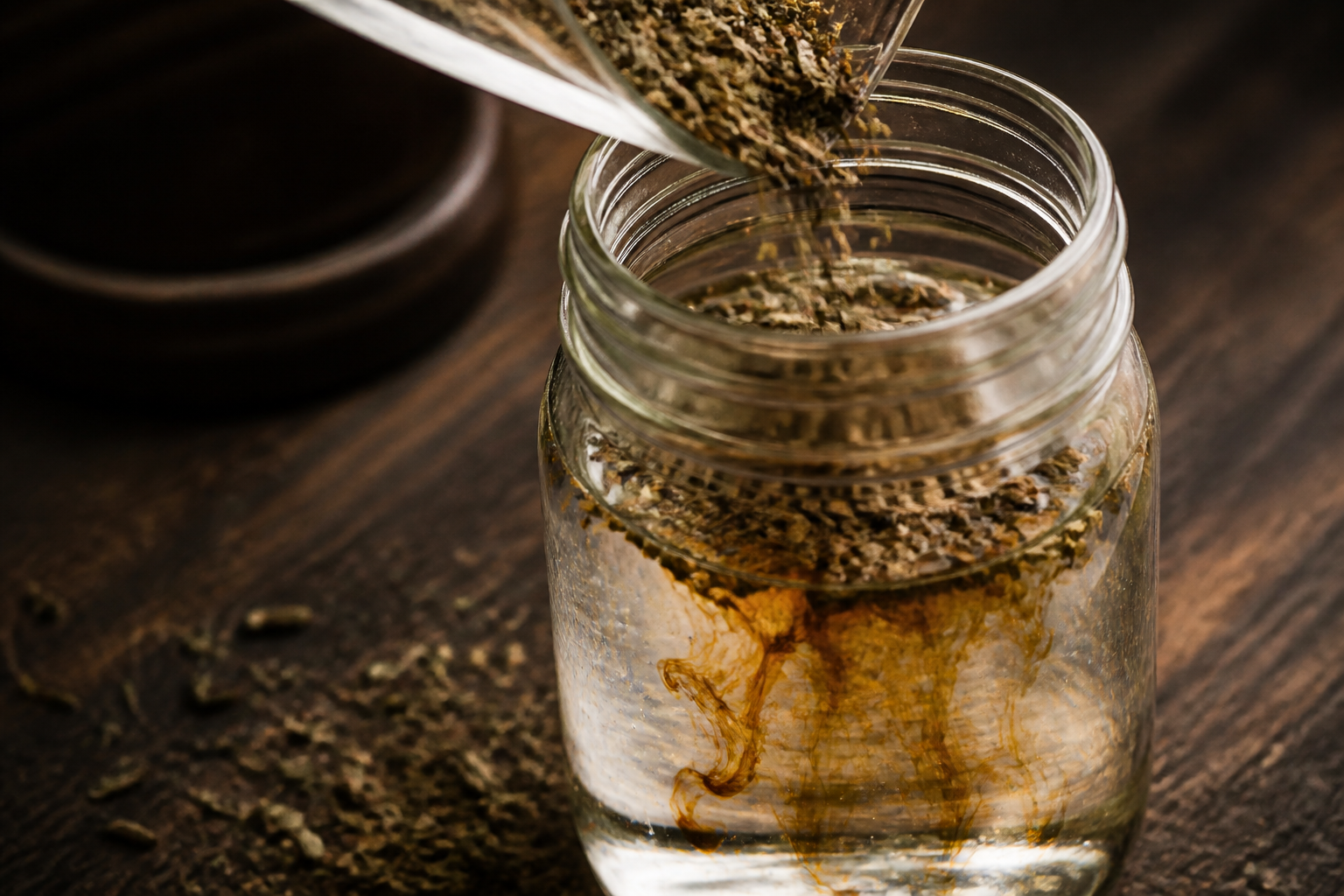
A traditional alchemical method for preparing herbal tinctures, rooted in the work of Paracelsus. What Is a Spagyric Tincture? A spagyric tincture is a style of herbal preparation that goes a step further than standard tincturing. Where an ordinary tincture simply steeps a plant in alcohol, spagyric preparation follows a three-stage alchemical process: separation, purification, … Read more